Best Whale Watching in South Africa: When, Where & Expert Tips
Everything to know about Whale Watching in South Africa
South Africa offers one of the most accessible and breathtaking wildlife spectacles on Earth. You don’t always need a boat Often, you just need a pair of eyes and a coastline. From June through November, the seas transform into a nursery and playground for some of the ocean’s largest creatures.
This guide gives you everything you need to plan your trip. You’ll learn the best months to visit, the top locations, how to identify different species, and how to watch responsibly.
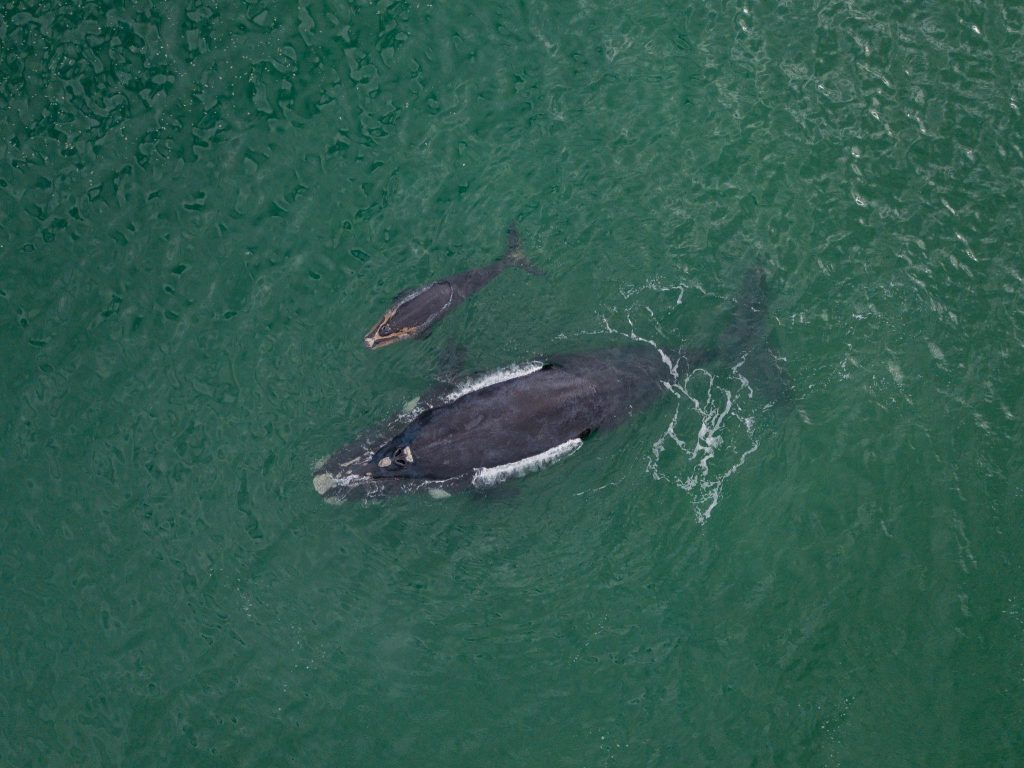
The “Whale Route” along the Western and Eastern Cape coasts is famous for good reason. Each year, thousands of southern right whales migrate here from their feeding grounds near Antarctica. They travel over 6,000 kilometers to reach the warm, sheltered bays of South Africa. Here, they mate and give birth.
The conservation success story is remarkable. Before the ban on commercial whaling, these gentle giants were hunted to near extinction. Since the 1986 ban, their numbers have recovered steadily. The population of southern right whales is now estimated at around 6,500 and is growing at roughly 6.5% per year. This makes every sighting a testament to successful global conservation efforts.
Here are other things to do in Cape Town: 7 Day Cape Town Itinerary for First-Time Visitors (Complete Travel Guide)
The Best Time for Whale Watching in South Africa
Timing is everything. While you might spot whales outside these months, the core season is consistent.
Peak Season: June to November
This is the window when southern right whales dominate the coastline. The best months are August, September, and October. During this period, the whales are most active and abundant close to
- August: The first big waves of mothers and calves arrive.
- September: This is often the peak for activity. You’ll see plenty of breaching and socializing
- October: The whales are still present in large numbers, and the spring weather is often mild.
Here’s the thing: if you visit at other times, you won’t go home disappointed. Different species appear throughout the year.
Other times of the year to Watch Whales
Here’s the thing; if you visit at other times, you won’t go home disappointed. Different species appear throughout the year.
- May to November: The time Humpback whales migrate along the coast.
- January to April: Bryde’s whales are the resident species. Most often, you will see them following the sardine runs.
- March to May: Orcas (killer whales) become more active along the West Coast.
- November to February: Look for “supergroups” of humpback whales feeding off the West Coast.
Here’s a guide on best time to visit South Africa and attractions for each month
Where to See Whales: Here are the Top Locations
You have two main choices, there is land-based viewing and boat-based tours. South Africa excels at both.
Hermanus: The Whale-Watching Capital

Hermanus is the undisputed king of land-based whale watching. The World Wildlife Fund ranked it as one of the top 12 whale-watching locations in the world. It’s just a two-hour drive from Cape Town.
Why go: The whales come incredibly close to shore. You can watch them from the Cliff Path, a 12-kilometer walkway that offers panoramic views of Walker Bay.
The Key spot to view Whales is Gearing’s Point, the Old Harbour.
The unique feature of Heramnus is that there’s a “Whale Crier” who walks through town blowing a kelp horn to announce where whales have been spotted.
Tip: Visit during the Hermanus Whale Festival, usually held in late September or early October.
False Bay & Cape Town
You don’t even need to leave the city. The waters around Cape Town offer excellent opportunities.
Land-based spots:
• Clarence Drive: This scenic coastal road between Gordon’s Bay and Rooi-Els has multiple lay-bys. You’re high above the water, giving you a perfect vantage point.
• Cape Point: Walk up to the old lighthouse and scan the ocean below.
• Fish Hoek to Simon’s Town: Take the coastal train or walk Jager’s Walk. You can often see whales right beyond the breakers.
Boat-based operators:
Simon’s town Boat Company: Departs daily for encounters in False Bay.
Gansbaai & De Kelders
Located about 30 minutes from Hermanus, Gansbaai is famous for sharks, but the whale watching is world-class. The cliffs at De Kelders offer a quieter alternative to the busy Hermanus paths. Walker Bay is massive, and the whales are often visible on this side as well.
De Hoop Nature Reserve
For a truly wild experience, go to De Hoop. This is a remote CapeNature reserve with over 36,000 hectares of coastal wilderness. Koppie Alleen is a legendary whale-watching spot. In the 2025 aerial survey, this area held the highest concentration of mother-calf pairs, with 70 pairs counted in the main nursery ground. If you want solitude and pristine nature, this is it.
West Coast National Park & Yzerfontein
Don’t ignore the West Coast. In summer (November to March), humpback whales gather here in massive “supergroups” to feed. It is a relatively new phenomenon but a spectacular one. You might see over 100 whales at once.
Cape Agulhas & Witsand
Stand at the southernmost tip of Africa at Cape Agulhas and watch whales from the lighthouse. Further east, Witsand in St. Sebastian Bay is known for having the highest concentration of calving southern rights. The 2025 survey recorded 10 cow-calf pairs here.
Which Whales will you see?
When you know the distinct features of the different whales, you’ll have a more enhanced viewing experience.
Southern Right Whale
This is the main attraction. The best time to see them is between June to November.
The ways to identify them are they have no dorsal fin, their blow is V-shaped and they often have white callosities (rough skin patches) on their heads.
Key Behavior: They are known for breaching, tail-slapping, and “sailing” (holding their flukes in the air).
Humpback Whale
These are the acrobats of the ocean, that are plentiful to see between May to December.
You can identify them with their long, white pectoral fins (up to 5 meters long) and a small dorsal fin on a hump.
Behavior: They frequently breach and are more curious about boats.
Bryde’s Whale
This is the only large whale to spend their time entirely in tropical or sub-tropical waters. They are around all year round but are elusive and not easy to spot.
They are identifiable by the three ridges on their head near the blowhole.
Behavior: They don’t migrate long distances. They dive for longer periods and surface unpredictably.
Land vs. Boat: How to Choose Your Experience
Both methods offer unique advantages. Here’s a quick comparison.
| Feature | Land-Based Watching | Boat-Based Watching |
| Cost | Free or minimal (park fees). | R400 – R1500 ($50-$150 USD) |
| Accessibility | Easy, just walk or drive. | Requires booking, weather-dependent. |
| Seasickness | None | Possible, prepare accordingly |
| Experience | Panoramic views, scenic walks. | Close encounters, seeing other marine life. |
If you choose a boat trip, book with a reputable company. Ethical operators maintain a respectful distance and follow strict guidelines.
8 Tips for a Successful Whale-Watching Trip

A great whale-watching experience isn’t just luck. It’s preparation, timing, and knowing what to look for.
1. Check the Weather First
Calm seas make all the difference. On clear, windless days, the ocean surface becomes smooth — almost like glass. That’s when whale spouts, fins, and breaches are easiest to spot.
Strong winds create choppy water (often called white horses), which can hide movement.
Always check the forecast before you go.
2. Dress for the Conditions
Even on sunny days, the coastal wind can be sharp.
Wear:
- A warm, windproof jacket
- Layers you can adjust
- Sunglasses and a hat
- Sunscreen (yes, even in winter)
The sun reflects off the ocean and can still be intense.
3. Bring the Right Gear
A little preparation goes a long way.
- Binoculars: Help you spot whales far offshore
- Camera with zoom lens (200mm+): For close-up shots
- Spare batteries: Cold weather drains them quickly.
If you’re shooting from land, zoom matters more than anything.
4. Time of Day Matters
Early morning is often best. The wind is usually calmer, and the ocean surface is like glass. This is when you will most likely catch clear spouts, tails, and movement.
5. Learn to Spot the Signs
Whales rarely appear all at once; you’ll notice clues first.
Look for:
- The Blow: A burst of mist above the water (V-shaped for southern right whales, column-shaped for humpbacks)
- Splashing: A sudden, powerful splash often means a breach.
- Seabirds: Birds circling low can signal feeding activity below.
Once you see one sign, stay alert. More often follows.
6. Understand Whale Behavior
Knowing what whales are doing makes the experience richer.
- Breaching: The whale launches out of the water
- Spy-hopping: Rising vertically to look around
- Lobtailing: Slapping the tail on the surface
- Blowing: Exhaling through the blowhole
Each movement tells a story.
7. Keep Scanning the Horizon
Don’t fix your eyes on one spot. Whales move all the time.
Slowly scan the horizon from left to right. Look for subtle changes — a ripple, a shadow, a flash of white.
Most times, the first sighting is easy to miss if you’re not actively searching.
8. Respect the Wildlife
This is their environment. You are the guest. Never try to approach whales. Always makes sure the boat operator follows the regulation. In South Africa, vessels and drones must stay at least 300 meters away from whales.
Keep noise to a minimum. Stay patient.
The most meaningful encounters happen when you simply observe.
More Information on Whale watching: South Africa Whale Watching Handbook by International Whaling Commission
Conclusion: Whale watching in South Africa is more than a day trip.
Whale watching is a front-row seat to one of nature’s greatest migrations. Whale watching is not about rushing. It’s about slowing down. Whether you choose the bustling cliffs of Hermanus, the wild shores of De Hoop, or a boat trip in False Bay, you are guaranteed a memory that will last a lifetime.
Plan your trip between August and October for the best chance of sightings. Pack your patience and your warmest jacket. Then get ready to witness the ocean’s gentle giants put on a show.
Have you been whale watching in South Africa? Share your experiences or questions by contacting us