
10 Day Namibia Itinerary Example
When you land in Windhoek and pick up your rental the first thing you notice is the space. You’ll notice right away that Namibia does not crowd you. We rented our 4×4 from a car rental company called Bush Bundu. They also helped us with trip planning so we highly recommend them. Namibia stretches out in long gravel roads, wide skies, and distances that look manageable on a map but feel much bigger once you are driving them. That is exactly why a good 10 day Namibia itinerary example matters. With only ten days, you can absolutely see the country’s highlights, but you need to be selective and realistic about drive times.
For most travelers, the smartest first trip focuses on three classic regions: Sossusvlei for dunes and desert landscapes, Swakopmund for the coast and adventure activities, and Etosha for wildlife. This route gives you a strong sense of Namibia’s contrasts without turning the whole trip into a nonstop road marathon. Travel deeper. Discover more. But in Namibia, deeper travel also means knowing when not to cram in one more stop. There are plenty of things to do in Namibia for families and even solo travelers.
Why this 10 day Namibia itinerary example works
Namibia rewards slow travel, but ten days is enough for a well-balanced introduction if you accept one key trade-off: you are choosing range over total depth. You will experience the Namib Desert, the Atlantic coast, and one of Africa’s great safari destinations, but you will not have much time for places like Damaraland, the Skeleton Coast beyond a quick look, or the Caprivi Strip.
That is not a flaw. It is good trip design. The route below keeps daily movement logical and gives you full experience days in the places that matter most. It also works especially well for self-drive travelers, which is how many visitors experience Namibia.
10 day Namibia itinerary example
Day 1: Arrive in Windhoek
Arrive in Windhoek, collect your 4×4 or SUV, and keep the first day light. If your flight lands early and you feel fresh, you can explore a little, stock up on road trip essentials, and rest before the longer drives begin. If your flight arrives late, stay near the city or airport and avoid heading out immediately.
Windhoek is not usually the star of a Namibia trip, but it serves an important role. It gives you a soft landing. Use this day to sort cash, SIM data if needed, snacks, water, and any final gear checks. In Namibia, preparation saves stress later.
Day 2: Windhoek to Sesriem
Drive south toward Sesriem, the gateway to Sossusvlei. This is where the journey starts to feel cinematic. The roads open up, the landscapes shift, and you begin to understand why Namibia is such a dream for photographers and self-drive travelers.
Depending on your route and road conditions, this is a substantial drive, so start early and avoid rushing near sunset. Stay near the park entrance if possible. That positioning gives you a major advantage for the next morning’s dune visit.
Day 3: Sossusvlei and Deadvlei
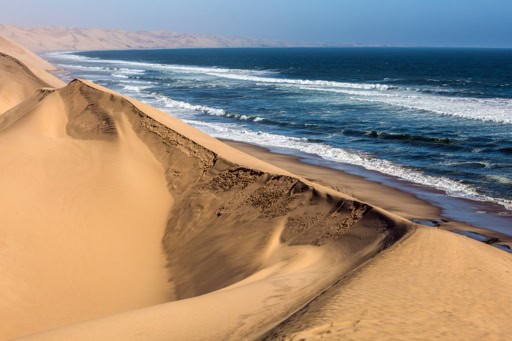
This is one of the signature days of the trip. Enter before sunrise if your lodge location allows, and head toward the dune area while the light is still soft. Sossusvlei is famous for towering red dunes, but Deadvlei often leaves the deepest impression. The white clay pan, black dead camel thorn trees, and orange dunes behind it make the landscape feel almost unreal.
Climbing Big Daddy or Dune 45 depends on your energy and tolerance for heat. Some travelers love the challenge and views. Others prefer a shorter walk and more time taking in the scenery. Either choice is valid. Namibia is not a destination where every experience needs to become a test of endurance.
If time and energy allow, visit Sesriem Canyon later in the day. Then rest. The desert can wear you down more than expected.
Day 4: Sesriem to Swakopmund
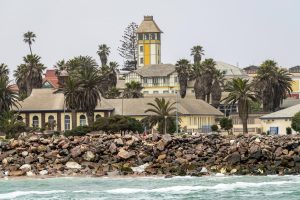
Our next stop was Swakopmund, a charming coastal town with strong German influences. This is considered Namibia’s adventure capital. From kayaking and skydiving to sand boarding and desert excursions, there’s no shortage of adrenaline-filled activities here. Unfortunately, we had absolutely no desire to jump out of a plane, so skydiving was off the table. But we still had an unforgettable and memorable time kayaking at Pelican Point—better known as “seal soup”—a place surrounded by nearly 60,000 seals. We then headed to the dunes for an epic sand boarding adventure.
It is a long but rewarding drive toward the coast. You move from hot desert scenery into cooler Atlantic air, often through strikingly empty terrain. Many travelers enjoy stopping in Solitaire for fuel and a break, then continuing through changing landscapes toward Swakopmund.
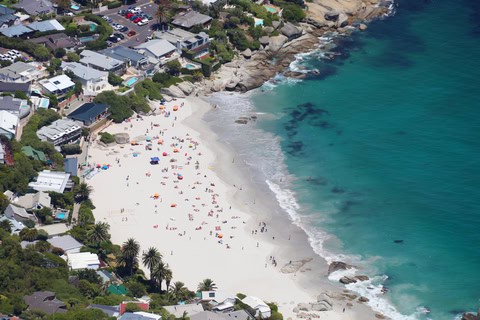
Swakopmund feels different from the rest of the route. It has a coastal town rhythm, traces of German colonial architecture, and a stronger activity scene. After several remote desert days, that contrast is welcome.
Day 5: Swakopmund and Walvis Bay
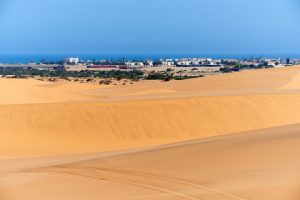
Use this day based on your travel style. If you want adventure, Swakopmund delivers with options like sandboarding, quad biking, kayaking, or a scenic flight. If you prefer wildlife and gentler pacing, combine Walvis Bay with the surrounding coast for flamingos, lagoon views, and marine excursions.
This is one of the itinerary’s flexible days, and that is a good thing. Namibia can be surprisingly intense because of the driving, so having one day where you choose your own pace keeps the trip balanced. Couples often enjoy a catamaran cruise or scenic desert activity. Families may prefer easier wildlife outings and beach time. Solo travelers often lean into adrenaline sports or photography.
Day 6: Swakopmund to Etosha area
This is another major transfer day. Depending on your lodge choice, you may head toward the southern side of Etosha or break the journey with an overnight outside the park region. If you want to keep the itinerary tighter, driving toward Etosha on Day 6 is the most efficient move.
The trade-off is obvious: long hours in the car. The upside is that it protects your safari time, which is where many travelers feel the real payoff. Try to arrive with enough daylight to settle in and be ready for an early start the next morning.
Day 7: Etosha National Park safari
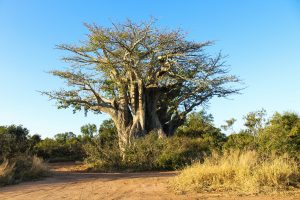
Etosha is one of southern Africa’s great self-drive safari experiences. The park’s waterholes create excellent game-viewing opportunities, especially in the dry season when animals concentrate around limited water sources. Even if you have done safari elsewhere, Etosha feels distinct because of its open, stark beauty and the vast salt pan at its center. See best times to visit Etosha National Park.
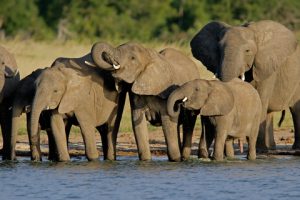
Spend the day game driving between waterholes. Expect springbok, zebra, giraffe, elephant, and a strong chance of seeing rhino. Predator sightings depend on timing, luck, and patience. That is part of safari travel. Some days Etosha feels generous immediately. On others, the reward comes to travelers who stay alert and linger.
Day 8: More time in Etosha
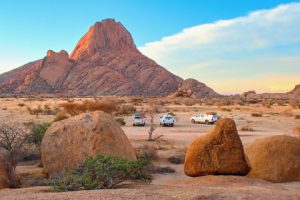
A second safari day matters. It gives you breathing room and improves your chances of seeing a wider range of wildlife. It also makes the trip feel less rushed. If you only spend one full day here, Etosha can feel like a quick sample. With two, it becomes a real chapter of the journey.
If possible, vary your route or focus on different waterholes from the previous day. Morning and late afternoon are especially productive. Midday can be slower, although waterholes still produce surprises.
Day 9: Etosha to Windhoek
Begin the drive back toward Windhoek. If your flight is early the next day, staying in or near the capital makes sense. If you have a late departure, you might choose accommodation a bit outside the city for a quieter final night.
This is a good moment to reflect on how much ground you have covered. In ten days, Namibia gives you dramatic dunes, cold coastlines, and wildlife-rich plains. Few destinations deliver that level of contrast in one trip.
Day 10: Depart Namibia
Return your rental and fly home. If time allows, have a slow breakfast rather than squeezing in one more activity. Namibia is the kind of trip that stays with you after departure, especially because so much of its magic comes from atmosphere rather than checklists.
Practical notes for this 10 day Namibia itinerary example
Self-drive is usually the best fit for this route, but it is not the only fit. Confident drivers tend to love Namibia because of the freedom to stop, photograph, and move at their own pace. Still, gravel roads, long distances, and limited services in some areas mean this is not a casual road trip. If you dislike extended driving days, a guided trip or partial fly-in safari may suit you better.
A 4×4 is useful, though not every part of this route requires serious off-road driving. What matters just as much is road awareness, conservative driving speeds, and avoiding travel after dark. Fuel up when you can, not only when you must.
Season also changes how this itinerary feels. In the dry months, Etosha often shines for wildlife. In hotter periods, desert activities require earlier starts and more care with hydration. Coastal weather can be cooler and foggier than first-time visitors expect, so pack layers even if the rest of your trip looks warm.
Budget matters too. Namibia is not always a cheap destination once you factor in car rental, fuel, park fees, and lodges in remote areas. The upside is that the experience often feels high-value because the landscapes are so distinctive and the self-drive format gives you a strong sense of independence.
If you want to adjust the route
If wildlife is your top priority, cut one night from Swakopmund and add it to Etosha. If dramatic landscapes matter more than safari, spend an extra night around Sossusvlei instead. If you are traveling with young children, consider reducing the number of long one-day transfers and staying longer in fewer places.
That is the real lesson with Namibia. The best itinerary is not the one that covers the most ground. It is the one that lets you feel the country without fighting it. Give the distances respect, leave room for weather and road conditions, and let the wide-open spaces do what they do best.