How to Choose Safari Lodge the Right Way
You can spend thousands on a safari and still end up in the wrong place for your travel style. That is why learning how to choose safari lodge matters so much. The best lodge is not always the fanciest one, the newest one, or the one with the most dramatic photos. It is the one that fits the way you want to experience the bush.
A safari lodge shapes almost every part of your trip – your game drives, your sleep, your meals, your view, your pace, and even the kind of wildlife moments you are likely to have. If you are planning a first safari in South Africa, Namibia, Rwanda, or another African destination, the right choice comes down to matching the lodge to your priorities rather than chasing a generic idea of luxury.
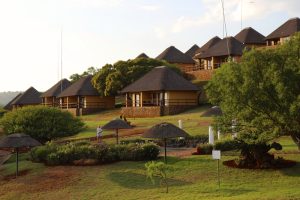
How to choose safari lodge for your travel style
Start with a simple question: what kind of safari do you actually want? Some travelers want dawn drives, tracked wildlife sightings, and expert guiding from sunrise to sundown. Others want a softer rhythm with a beautiful room, a plunge pool, good food, and wildlife as part of a broader vacation. Neither approach is wrong, but they lead to very different lodge choices.
If you are a serious wildlife traveler, look closely at the reserve, guide quality, and vehicle policy before you even think about room design. A modest lodge in a strong wildlife area often delivers a richer safari than a glamorous property in a weaker location. If you are traveling for a honeymoon or special celebration, privacy, design, and service may matter just as much as the game drives. Families usually need flexibility, larger rooms, child-friendly activities, and clear age rules for drives.
This is where many safari plans go off track. Travelers book based on appearance, when what really matters is fit. A tented camp can feel magical to one person and too exposed to another. A large lodge may feel social and convenient, or impersonal and busy. Be honest about what makes you comfortable.
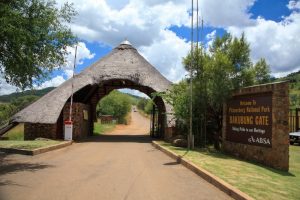
Location matters more than lodge decor
The single biggest factor in your safari experience is where the lodge sits. A beautiful property in the wrong area cannot make up for long transfers, limited wildlife density, or strict reserve rules that do not match your expectations.
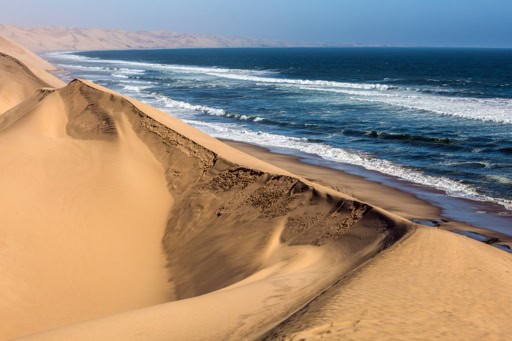
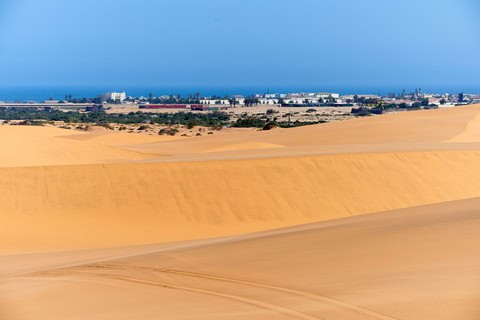
First, understand the ecosystem. Open savannah areas often make wildlife spotting easier than dense bush or forest, though forest lodges can offer extraordinary experiences of their own, especially for gorilla trekking or chimpanzee tracking. If your dream is to see big cats, choose a region known for them. If you care more about desert landscapes, adapt your expectations around wildlife volume and focus on scenery, tracking, and atmosphere.
Then look at access. Some lodges are reached by a long road transfer, others by small bush flights. A remote location can feel exclusive and wild, but it may also add cost, weather risk, and travel fatigue. If you only have a few days, spending half of them in transit is rarely worth it.
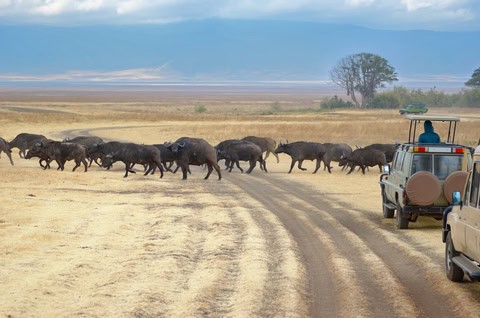
Private reserves and national parks also offer different trade-offs. Private reserves often allow off-road driving, night drives, and a more intimate experience with fewer vehicles at sightings. National parks can be more affordable and iconic, but they may have more traffic and stricter rules. Neither is automatically better. It depends on the kind of safari you want.
Budget is not just about the nightly rate
Safari pricing can be misleading if you only compare room rates. One lodge may seem expensive until you realize it includes twice-daily game drives, park fees, meals, drinks, laundry, and airport transfers. Another may look affordable but add significant costs once everything is counted.
When comparing lodges, check what is included. Some rates cover nearly everything except premium drinks and tips. Others charge separately for activities, conservation fees, and transfers. This matters a lot if you are planning a multi-stop itinerary across countries like South Africa and Namibia, where costs can stack up quickly.
Season also changes value. High season usually brings better weather or prime wildlife conditions, but it also means higher prices and less availability. Shoulder season can be a sweet spot if you are flexible. You may get lower rates, fewer crowds, and strong wildlife viewing, though this depends on the destination. Green season can be stunning for photography, birding, and landscapes, but road conditions and visibility may be less predictable.
A useful mindset is this: pay for what affects your experience most. A better guide, a better wildlife area, and a better vehicle setup often matter more than oversized bathtubs and designer furniture.
Wildlife goals should guide your decision
Not every safari lodge is ideal for every animal experience. If you want to see the Big Five, ask whether the reserve genuinely supports them and how consistently sightings happen. If you are interested in leopards, wild dogs, or rhinos, get specific. Broad claims like abundant wildlife are not enough.
This is also where seasonality matters. River crossings, predator action, calving season, migratory birds, gorilla trekking conditions, and desert-adapted wildlife all follow different rhythms. A lodge that is excellent in one month may be less compelling in another.
Think beyond the checklist. Some of the most memorable safari stays are not about ticking species off a list but about the quality of the guiding and the feeling of the place. Watching elephants at a waterhole for an hour from camp, hearing lions after dark, or learning tracking skills from a local guide can stay with you far longer than a rushed sighting count.
Comfort level matters more than many travelers admit
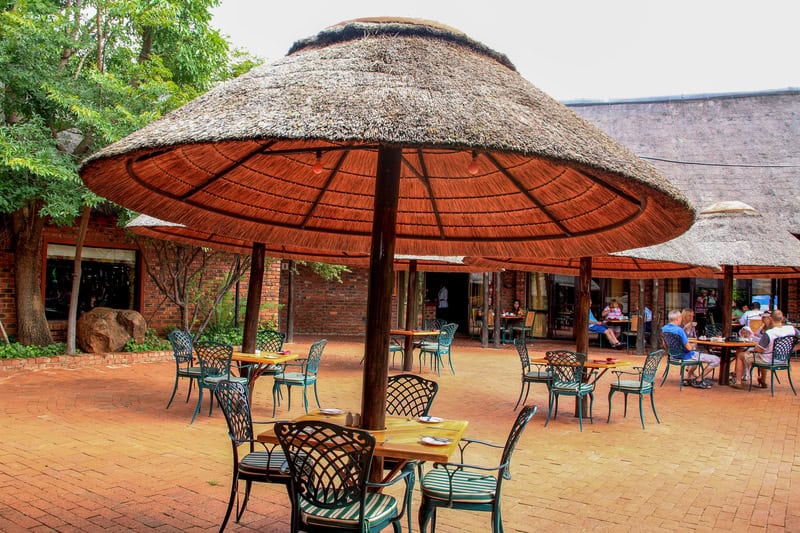
Safari romance is real, but so is personal comfort. A tented camp can mean anything from simple canvas rooms with bucket showers to full luxury suites with soaking tubs and air conditioning. Read carefully, because safari terminology is not always consistent.
Ask yourself what you need to sleep well and enjoy the trip. If you are sensitive to heat, look for cooling systems and seasonal temperatures. If you are a light sleeper, understand that bush sounds, early wake-ups, and canvas walls may be part of the experience. If mobility is a concern, check walking distances, stairs, and vehicle access.
Food matters too, especially on longer itineraries. Some lodges are exceptional with dietary needs, children’s meals, or flexible timing. Others follow a fixed communal dining structure that may feel charming or restrictive depending on your personality.
The right lodge should stretch you a little, not stress you out. Adventure is part of safari. Constant discomfort should not be.
How to compare safari lodges without getting overwhelmed
Photos help, but they can also flatten important differences. Many lodges market the same promises: immersive nature, luxury, exclusivity, unforgettable wildlife. To compare effectively, focus on a few practical questions.
How many rooms does the lodge have? Small camps usually feel more personal and quieter at sightings, while larger lodges may have more facilities and better value for families.
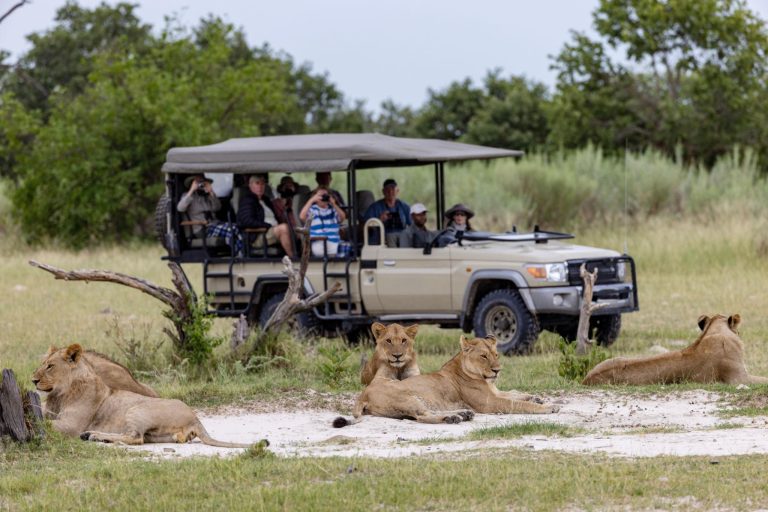
How many guests are in each vehicle? This is a major quality marker. A lodge with fewer guests per vehicle often gives you better positioning, more flexibility, and a more intimate guiding experience.
What is the guide-to-guest experience like? Great guiding can completely change a safari. It is the difference between simply seeing animals and understanding behavior, landscape, and local context.
What activities are available beyond standard drives? Depending on the destination, that could include walking safaris, mokoro excursions, cultural visits, boat safaris, photography hides, or tracking experiences. These can be the reason one lodge suits you better than another.
Finally, read reviews with a filter. Look for patterns rather than one-off complaints or glowing but vague praise. Consistent comments about warm service, strong guiding, excellent wildlife access, or poor maintenance are more useful than generic ratings.
The best safari lodge is rarely the most famous one
Well-known lodges earn attention for good reason, but smaller or less publicized properties can offer deeper value. Sometimes they have stronger local character, better host interaction, or a more grounded sense of place. This matters if you want a safari that feels connected to the destination rather than polished into sameness.
At Damtos Adventure, we always come back to one idea: travel deeper, not just farther. A lodge should not only give you comfort and sightings. It should help you feel the rhythm of the landscape and understand where you are.
That may mean choosing a lodge with meaningful community ties, local staff who share regional knowledge, or architecture and cuisine that reflect the setting rather than copy an international luxury formula. For culturally curious travelers, that difference is worth noticing.
When to splurge and when to save
If your budget is tight, save on room size and decorative extras before you compromise on location and guiding. A smaller room in a better reserve usually wins. If you are planning a longer trip, mix styles. You might spend a few nights at a high-end lodge in a prime wildlife area, then add more affordable stays elsewhere.
Splurge if the lodge offers something hard to replicate – outstanding tracking, a special ecosystem, unusually strong conservation access, or truly excellent guides. Save when the premium is mostly about aesthetics you will barely use between game drives.
A safari works best when the lodge supports the experience you came for. Choose with clear priorities, ask sharper questions than the brochure answers, and let the landscape lead the decision. When the fit is right, the lodge stops being just a place to sleep and becomes part of the story you came to Africa to find.