Rwanda Safari Cost Breakdown for 2026
Rwanda is not the safari destination people choose because it is cheap. They choose it because few places in Africa combine mountain gorillas, Big Five game viewing, forest primates, and polished logistics in such a compact country. That is exactly why a Rwanda safari cost breakdown matters so much – the country can deliver a remarkable trip, but your budget can swing fast depending on permits, season, and how much comfort you want on the road.
For most travelers, the biggest surprise is that the safari itself is only part of the price. In Rwanda, permits and park access can outweigh accommodation, especially if gorilla trekking is on your list. Add private transport, lodge standards, and whether you combine Akagera, Volcanoes, and Nyungwe, and the final number can look very different from the first quote you see.
Rwanda safari cost breakdown at a glance
A realistic Rwanda trip budget usually falls into three broad categories. A mid-range traveler doing gorilla trekking plus one classic wildlife park can easily spend around $3,500 to $6,500 per person for a well-organized multi-day trip, not including international flights. Budget-conscious travelers can come in lower, but Rwanda has a higher floor than some neighboring safari destinations. Luxury trips, especially with premium lodges near Volcanoes National Park, can climb well beyond $8,000 per person.
Why the wide range? Because Rwanda is a small country with high-value tourism. Distances are manageable, roads are generally decent, and tourism infrastructure is strong, but park permits are priced to protect fragile ecosystems and support conservation. So the real question is not just what a Rwanda safari costs. It is what kind of Rwanda experience you want.
The biggest expense: gorilla trekking permits
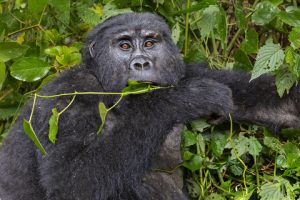
If you plan to visit Volcanoes National Park, the gorilla permit will likely be your single largest line item. For international visitors, Rwanda gorilla permits are typically priced at a premium compared with some other gorilla destinations in the region. That premium reflects Rwanda’s positioning, ease of access from Kigali, and the exclusivity of the trekking experience.
At current pricing, many travelers should expect around $1,500 per person for one gorilla trekking permit, though official rates can change and should always be checked before booking. That fee covers park entry for the trek itself and the guided gorilla experience, but not your transport, lodging, porter, tips, or extra nights near the park.
This is where trade-offs become real. If gorilla trekking is your priority, Rwanda can be an excellent choice because it is efficient. You can land in Kigali and reach Volcanoes National Park by road in a few hours, which helps offset costs in other parts of the trip. If you are comparing purely on permit price, though, Rwanda is often not the cheapest option.
Park fees and activity costs beyond gorillas
A fuller Rwanda safari cost breakdown should include the other major parks, because many travelers do not come only for gorillas.
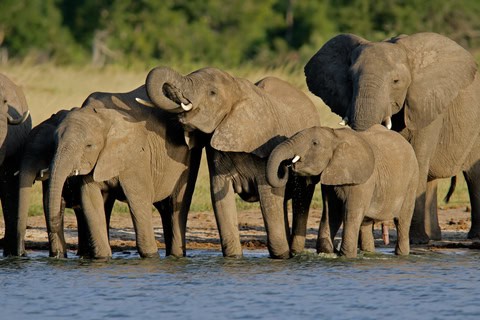
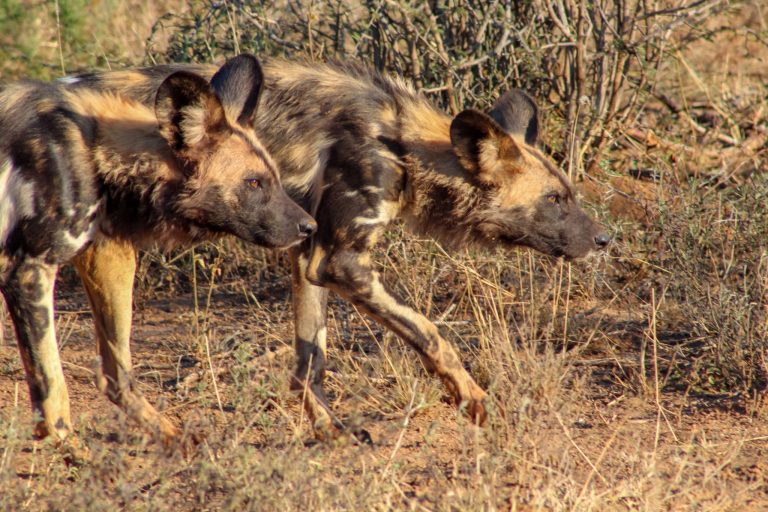
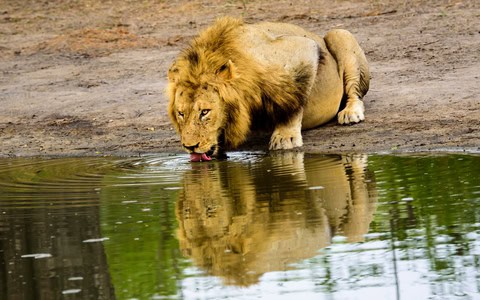
Akagera National Park is the country’s main savanna safari destination and home to lions, rhinos, elephants, giraffes, zebras, hippos, and a strong birding scene. Entry fees here are far more approachable than a gorilla permit, but they still add up once you include game drives, vehicle fees, or a boat safari on Lake Ihema. If you book through a lodge or operator, those costs may be bundled, which can make pricing look simpler than it really is.
Nyungwe Forest National Park brings a different kind of value. Travelers come here for chimpanzee tracking, canopy walks, and one of East Africa’s most rewarding rainforest settings. Chimp permits and guided walks cost much less than gorilla permits, but if you add multiple activities over two or three days, the total still becomes significant.
The practical point is this: Rwanda rewards travelers who focus. Trying to do every headline experience can push your budget sharply upward. Choosing one marquee wildlife experience and building around it often gives better value.
Accommodation costs in Rwanda
Rwanda has a strong hospitality scene, but safari lodging is not cheap, especially near the premium national parks. In and around Volcanoes National Park, rates can range from about $80 to $200 per night for simple guesthouses or budget lodges, roughly $250 to $600 for comfortable mid-range stays, and $700 upward for luxury properties. Top-end safari lodges can go far beyond that.
Akagera has a slightly broader range, but remoteness and park access still keep prices elevated compared with standard city hotels. Nyungwe also tends to skew mid-range to upscale, particularly if you want a property with easy access to key activities.
Kigali can help balance the budget. The capital offers good value across multiple categories, from clean budget hotels to polished boutique stays. Many travelers overnight in Kigali before or after park visits, and this is one of the easiest places to trim costs without sacrificing comfort.
One thing worth remembering is that cheaper accommodation can sometimes increase transport complexity. A lower nightly rate may look appealing, but if it places you farther from park headquarters or requires earlier departures and extra transfers, the savings may be smaller than they seem.
Transport: where costs quietly build up
Transport is one of the most underestimated parts of any Rwanda safari cost breakdown. Rwanda is compact, which helps, but most safari travelers still rely on a private 4×4 with a driver-guide, especially when combining more than one park.
For a private vehicle and guide, daily rates often fall somewhere between $200 and $450, depending on the vehicle type, operator, fuel distances, and whether park game drives are included. This can feel expensive for solo travelers, but for couples or families sharing the vehicle, the per-person cost becomes more manageable.
Self-drive is possible in some cases, especially for confident travelers heading to Akagera, but it is less common for a full multi-park route. Rwanda is easier to navigate than many safari countries, yet having a local driver-guide adds more than convenience. It adds context, timing support, park know-how, and less stress around permits and activity schedules.
Domestic flights are not usually the default for standard Rwanda itineraries because driving times are relatively short by regional standards. That said, premium fly-in arrangements do exist for travelers staying at high-end lodges, and they can raise the total trip cost significantly.
Guide fees, tips, and the small costs that are not really small
Safari budgets often look tidy until the extras start stacking up. In Rwanda, these can include porter fees for gorilla trekking, guide tips, snacks and drinks, travel insurance, visa costs where applicable, and optional cultural experiences near the parks.
Hiring a porter for gorilla trekking is not mandatory, but many travelers are glad they did. It supports local livelihoods and makes the hike easier, especially if conditions are muddy or steep. Tips for guides, rangers, trackers, and lodge staff should also be factored into the overall budget from the start rather than treated as an afterthought.
Then there are the practical pre-trip costs. A proper pair of hiking boots, rain gear, gaiters, or gloves for trekking may be essential purchases if you do not already own them. These are not billed by your tour operator, but they still belong in your real trip cost.
Budget, mid-range, and luxury trip examples
A budget-minded Rwanda trip is possible, but it usually means making one major decision: either prioritize gorilla trekking and keep everything else simple, or skip gorillas and build a more affordable safari around Akagera and Kigali. A shorter trip with modest guesthouses, shared transport where possible, and limited park activities may come in around $2,000 to $3,500 per person. Once you add a gorilla permit, that floor rises quickly.
A classic mid-range itinerary is where Rwanda starts to shine for many travelers. Think four to six nights, a gorilla trek, time in Kigali, and either Akagera or Nyungwe, with comfortable lodges and private road transfers. That often lands in the $3,500 to $6,500 range per person, depending on season and how many travelers are sharing costs.
Luxury Rwanda safaris are built around exceptional lodges, private guiding, premium service, and often a slower, more immersive pace. If you want one of the well-known high-end properties near Volcanoes National Park, plus top-tier accommodation elsewhere, spending $8,000 to $15,000 per person is not unusual.
How to lower your Rwanda safari costs without ruining the trip
The smartest way to save money is not to cut randomly. It is to spend where Rwanda is strongest and trim where comfort matters less.
Traveling with a partner or small group immediately improves value because transport costs are shared. Choosing one signature park instead of trying to cover the whole country also keeps the itinerary tighter and more rewarding. Staying in Kigali before and after the safari can reduce pressure on the lodge budget, and a shorter trip can still feel full if it is planned well.
Season matters too. Peak months often bring better trekking conditions and strong wildlife viewing, but prices and availability tighten. Shoulder season can offer better lodging value, though rain may affect trekking comfort and road conditions in some areas.
This is also a destination where cheap quotes deserve scrutiny. If a price seems unusually low, check whether it excludes permits, private transport, meals, or key park activities. A lower upfront number can turn into a more expensive trip once the missing parts are added back in.
Rwanda is rarely the bargain safari choice, but it can be one of the most rewarding. If you match your expectations to your budget and build the trip around the experiences that matter most, the cost starts to make sense. Travel deeper. Discover more. Then spend with intention, not guesswork.