7 Day Rwanda Itinerary That Flows Well
Seven days in Rwanda goes faster than most travelers expect. Distances are manageable, the roads are better than many first-time visitors imagine, and the country rewards travelers who like a trip with both structure and texture. A good 7 day Rwanda itinerary should not try to cram in every park and every headline experience. It should give you Kigali with context, nature with purpose, and enough breathing room to actually feel the country.
This route is best for travelers who want a balanced first trip – gorillas if your budget allows, forest and tea-country scenery, time on Lake Kivu, and a few cultural stops that make the journey feel rooted rather than rushed. If you are traveling on a tighter budget, there are easy swaps along the way, and that matters in Rwanda where one activity can dramatically change the overall cost of your week.
I believe Rwanda is one of Africa’s most captivating destinations. When I first arrived, I was struck not only by the breathtaking scenery but also by the warmth and resilience of its people. Rwanda has a way of making you feel welcome while offering unforgettable adventures. From exploring bustling Kigali to trekking in the mountains, dining on delicious local cuisine, and interacting with Rwandans. My visit gave me a deeper appreciation of Rwanda as more than just a destination.
How to plan a 7 day Rwanda itinerary
The smartest way to structure the week is to begin in Kigali, move northwest to Volcanoes National Park, continue to Lake Kivu, and finish in Nyungwe before returning to Kigali. It creates a clean loop and avoids too much backtracking. You can do this with a private driver, a rental car if you are confident on winding mountain roads, or a mix of transfers and guided excursions.
The big decision comes early. Are you building this itinerary around gorilla trekking, or are you visiting Rwanda without that splurge? Gorilla permits are one of Africa’s great wildlife investments, but they are not a casual add-on. If that experience is your priority, anchor the week around it and keep the rest of the schedule realistic.
Day 1 – Arrive in Kigali and get your bearings
Kigali deserves more than a sleepover. On your first day, keep the pace light and let the city introduce Rwanda on its own terms. Depending on your arrival time, visit the Kigali Genocide Memorial with enough emotional space to take it in properly. It is one of the most significant places in the country, and for many travelers it changes the way the rest of the trip is understood.
Later, shift into a softer rhythm with a café stop, a walk through a neighborhood market, or dinner at a restaurant serving modern Rwandan and East African dishes. Kigali is clean, orderly, and calm, but it is not sterile. Look for the smaller details – motorcycle taxis moving with precision, green hills in the distance, and a city that feels quietly self-assured.
If you land late, simply overnight in Kigali and save city time for the end. That is one of the few flexible points in this itinerary.
Day 2 – Kigali to Volcanoes National Park
Leave Kigali after breakfast and drive to Musanze, the main base for Volcanoes National Park. The journey usually takes around two and a half to three hours, but this is not a road to rush. Rwanda’s hills keep unfolding, and the countryside starts telling its own story through terraced farms, roadside trading centers, and villages that feel active rather than staged for visitors.
Once in Musanze, use the afternoon for a lower-intensity experience. The twin lakes of Burera and Ruhondo are a good choice if you want scenic calm before an early gorilla start the next day. The Dian Fossey campus area and community-led visits can also add context, especially if you are interested in conservation beyond the trek itself.
Stay close to the park headquarters if gorilla trekking is on tomorrow’s schedule. A very early start makes proximity practical, not just convenient.
Day 3 – Gorilla trekking or a Volcanoes alternative
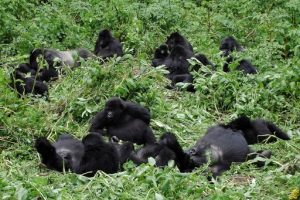
For many travelers, this is the reason Rwanda made the shortlist. Gorilla trekking in Volcanoes National Park is expensive, heavily regulated, and absolutely worth treating as a once-in-a-lifetime wildlife experience rather than just another excursion. The morning begins early with registration and a briefing, then group assignments based on gorilla family location and hiking difficulty.
The trek itself depends on where the gorillas are that day. You might hike for a relatively short time, or you may spend hours climbing through wet, steep terrain. That uncertainty is part of the experience. Good boots, rain gear, and a reasonable fitness level help, but mindset matters too. Rwanda’s gorilla trekking is not about checking a box. It is about earning a rare hour in the presence of mountain gorillas in their own habitat.
If you are not doing gorillas, this day can still be strong. Golden monkey tracking is more affordable and lively in a completely different way. You could also choose a guided hike, a cultural village visit with care and selectivity, or a slower scenic day around Musanze. The trade-off is obvious – none of these carry the same emotional weight as gorilla trekking, but they make the itinerary far more accessible for budget-conscious travelers.
Day 4 – Volcanoes to Lake Kivu
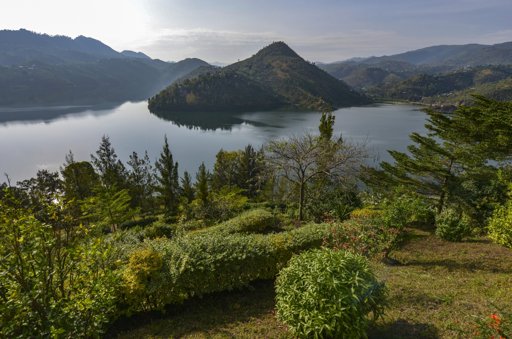
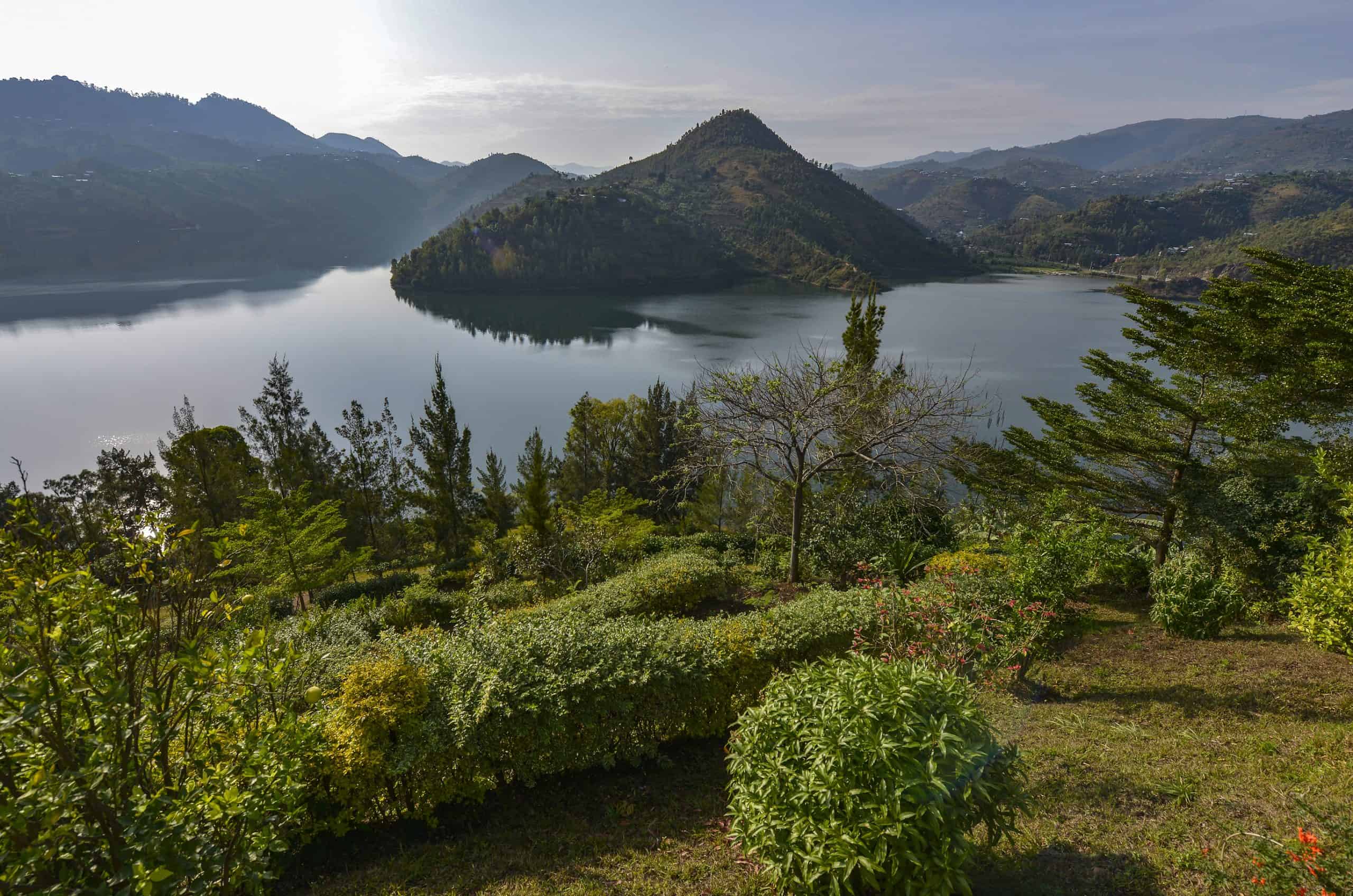
After two days in the north, head west to Lake Kivu, usually toward Gisenyi if you want the easiest access from Musanze. The lake changes the mood of the trip. After trekking, misty forests, and mountain air, Kivu gives you open water, a softer pace, and space to reset.
Spend the afternoon on the waterfront. A boat ride can take you to small islands, fishing communities, and quiet coves where daily life matters more than staged sightseeing. This is one of the strengths of Rwanda as a week-long destination. You move quickly between different landscapes, but the shifts feel natural rather than abrupt.
Gisenyi has a more developed feel, while Kibuye, now often called Karongi, is more scenic and relaxed. If you prefer a peaceful setting and do not mind a longer drive pattern, Karongi is arguably the more atmospheric overnight stop.
Day 5 – Lake Kivu to Nyungwe Forest
This is one of the longer travel days in the itinerary, but it is also one of the most rewarding for scenery. As you move south along Lake Kivu and into Rwanda’s tea-growing country, the road becomes part of the experience. Plan for stops. Rushing this route misses the point.
Tea plantations around Nyungwe are especially beautiful in the late afternoon light. If timing works, a tea estate visit is worth including because it adds texture to the week. Rwanda is often sold through wildlife first, but its agricultural landscapes and working communities reveal a quieter side of the country.
Arrive near Nyungwe National Park in the evening and settle in early. Tomorrow can involve a proper forest hike, and the best experiences begin in the morning.
Day 6 – Nyungwe National Park
Nyungwe is one of Africa’s oldest montane rainforests, and it feels different from Volcanoes in every sense. The appeal here is not one iconic species alone but the full forest atmosphere – birdsong, deep green canopy, orchids, primates, and trails that make you slow down and pay attention.
Chimpanzee tracking is the headline activity if you want another major wildlife encounter. It starts early and can be physically demanding, often with fast movement once the chimps are located. The canopy walkway is the more accessible option and suits travelers who want drama without the same level of exertion. Suspended above the forest, it gives you a completely different perspective on Nyungwe.
If you have the energy, combine one of those with a shorter forest trail. This is also a good place to travel deeper rather than faster. Damtos Adventure readers often want the why behind a stop, not just the photo opportunity, and Nyungwe delivers that best when you let the forest set the pace.
Day 7 – Return to Kigali
Drive back to Kigali on your final day. The return usually takes around five to six hours depending on stops and traffic, so leave enough margin if you have an international flight. If your departure is late, you can still fit in one final city experience – perhaps a craft center, a local lunch, or simply coffee with time to reflect on how much Rwanda fits into one week.
This last day is also where many travelers realize Rwanda is not just a gorilla destination. The country works so well for a seven-day trip because it gives you emotional depth in Kigali, world-class conservation in Volcanoes, restorative scenery at Lake Kivu, and immersive forest travel in Nyungwe without needing domestic flights.
Practical notes for this 7 day Rwanda itinerary
The best time for this route is usually during the drier months, especially from June to September and again from December to February. That said, Rwanda’s landscapes stay green for a reason, and rain is always part of the equation. If you are trekking, prepare for mud even in relatively dry seasons.
Budget is the other major planning factor. Gorilla trekking can turn this into a premium trip very quickly, while skipping it makes Rwanda more achievable for mid-range travelers. A private driver adds ease and local insight, but shared transport and guided segments can reduce costs if you are willing to give up some flexibility.
For accommodation, splitting your stays between Kigali, Musanze, Lake Kivu, and Nyungwe is the most practical choice. One-night stops are manageable, but two nights in Volcanoes and one well-placed night by the lake create a better rhythm than racing through every destination.
Rwanda is a country that rewards thoughtful pacing. If you give each stop just enough room, this week feels rich rather than hurried, and you leave with more than a checklist of parks and viewpoints. You leave with a sharper sense of place, and that is what makes the journey last.
Final thoughts on Rwanda Visit
Eating Out in Rwanda
One of my favorite parts of visiting Rwanda was discovering its food scene. Eating out is affordable, and options range from small local eateries to modern restaurants offering international cuisine. I loved trying ‘brochettes’—skewers of grilled meat served with fried plantains or chips. For those traveling with families, many restaurants offer kid-friendly meals. Group travelers will find great communal dishes perfect for sharing. Solo travelers will enjoy the café culture in Kigali, where you can sip locally grown coffee while meeting new people.
Traveling Within Major Cities
Getting around Rwanda, especially Kigali, is surprisingly easy. The city is well-planned, and transportation options are safe and convenient. Motorcycle taxis, locally called ‘motos,’ are the fastest way to move around the city, while car taxis and ride-hailing apps like Yego are also available. For groups and families, hiring a private driver is often the most comfortable choice. Roads are well-maintained, and public buses connect major towns, making it simple to explore beyond Kigali.
General Interaction with Rwandans
One of the highlights of my trip was the kindness and hospitality of the Rwandan people. From shop owners to guides, everyone I met was eager to share their culture and stories. Rwandans are polite and respectful, and learning a few words of Kinyarwanda goes a long way in building rapport. Whether you’re buying fruit in a market or asking for directions, the locals are approachable and friendly.