Kruger or Serengeti Safari? How to Choose
If you are stuck between a Kruger or Serengeti safari, the decision usually comes down to one thing: what kind of Africa you want to feel. Kruger often suits travelers who want flexibility, easier logistics, and excellent wildlife without building the whole trip around one dramatic migration event. Serengeti suits travelers chasing vast open plains, classic East African scenery, and the sense that the safari itself is the main event.
Both are outstanding. Both can deliver lion sightings, elephant herds, sunrise game drives, and the kind of silence that makes you pay attention to every sound in the bush. But they do not feel the same, and that difference matters more than many first-time safari travelers expect.
Kruger or Serengeti safari: the core difference
Kruger National Park in South Africa is often the more accessible choice. It has a wide range of lodges, private reserves around the park, good road infrastructure, and safari options that fit different budgets. You can pair it more easily with Cape Town, the Garden Route, or Johannesburg, which makes it attractive if your trip includes more than just wildlife.
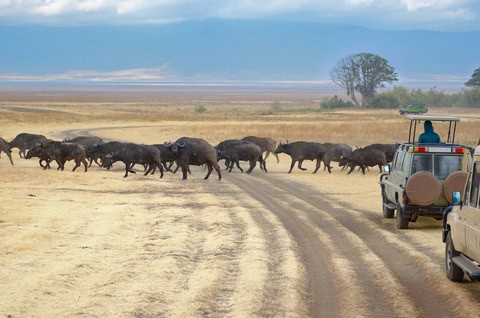
The Serengeti in Tanzania feels bigger, wilder, and more cinematic. The landscape stretches wide in a way that many travelers picture when they imagine an East African safari. It is also closely tied to the Great Migration, which gives it a seasonal drama that few destinations can match. If you have been dreaming of endless plains, acacia silhouettes, and huge moving herds, the Serengeti has a strong pull.
So the better question is not whether one is objectively better. It is whether you want convenience and variety, or scale and spectacle.
Wildlife experience and game viewing
If your priority is seeing the Big Five, Kruger is excellent. It has a high density of wildlife, especially in certain regions and private reserves, and sightings can be frequent. Leopards do particularly well here, and many travelers leave Kruger feeling they saw more animals than they expected in a short time.
Serengeti wildlife viewing is extraordinary too, but the experience is shaped differently. It is less about ticking off a list and more about immersion in an ecosystem that feels huge and alive. Predator action can be intense, especially when the migration is nearby. Watching lions on kopjes or cheetahs working the plains has a different energy in Serengeti because the landscapes are so open.
Kruger can feel denser and more varied in vegetation, depending on where you stay. Serengeti often gives you longer sightlines and that classic sweeping safari view. If you love photography, this matters. Open plains make it easier to follow movement and spot hunts from a distance, while Kruger’s bushier terrain can make sightings feel more intimate but sometimes more fleeting.
What about the Great Migration?
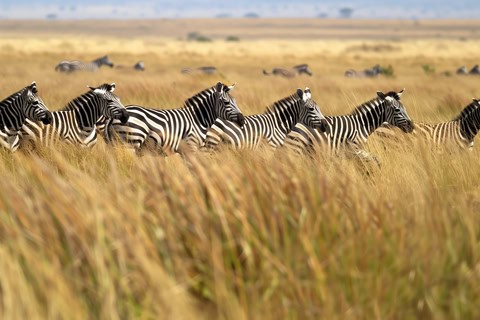
This is where Serengeti can take the lead for many travelers. The migration is not a one-day spectacle in one fixed place. It moves through the ecosystem across the year, so timing and location matter. When you get it right, you can witness massive herds of wildebeest and zebra, tense predator encounters, and sometimes river crossings that feel almost unreal.
Kruger does not offer that kind of seasonal mega-event. What it offers instead is consistency. You are going for strong year-round game viewing rather than one famous natural movement. For many travelers, especially first-timers, that reliability is a major advantage.
Cost and value for different budgets
For budget-conscious travelers, Kruger is usually easier to manage. South Africa offers more layers of safari pricing, from self-drive trips and rest camps to high-end private lodges. That range gives travelers room to shape the trip around their budget without giving up the safari experience entirely.
Serengeti generally costs more. Flights, transfers, park logistics, and lodge rates tend to push the overall trip higher. This is especially true if you want to be in the right area for the migration at a specific time. Mobile camps and prime seasonal lodges can be exceptional, but they are rarely the cheapest route into safari.
That does not mean Serengeti is poor value. It means the value is tied to a bigger, more all-in safari experience. If this is your once-in-a-lifetime trip and you want the iconic East Africa feeling, the higher price may feel justified. If you want a safari that fits into a broader itinerary and leaves room in the budget for other experiences, Kruger often makes more sense.
Ease of travel and trip planning
Kruger wins on convenience. Getting there is relatively straightforward, especially from Johannesburg. You can fly or drive, and the park connects well with private reserves and nearby safari towns. Planning feels less intimidating for independent travelers, couples, and families who want a smoother entry into safari travel.
Serengeti usually requires more planning. Depending on your route, you may need domestic bush flights, longer overland transfers, and tighter coordination between camps. For some travelers, that complexity is part of the appeal. It makes the journey feel more remote and special. But if you do not want logistics to dominate your trip, Kruger is often the easier fit.
This matters even more if you are combining safari with city time, wine country, beaches, or cultural stops. South Africa gives you more natural add-ons. Tanzania can absolutely be paired with Zanzibar or Ngorongoro, but the safari portion tends to be more central to the whole trip.
Atmosphere, scenery, and style
Kruger and Serengeti differ not just in what you see, but in how the safari feels.
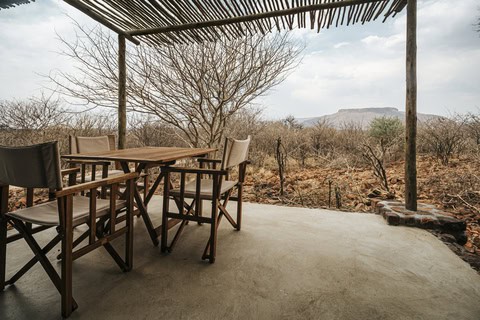
Kruger can offer a more layered experience. In and around the park, you will find public camps, luxury lodges, private reserves, and a stronger sense of choice in how you move through the landscape. Some travelers love that flexibility. Others feel it makes the experience slightly less remote, depending on where they stay.
Serengeti leans into scale. The landscapes feel stripped back in the best way – open grasslands, distant herds, dramatic skies. It can feel less busy in a visual sense, even when wildlife is everywhere. If your safari dream has always looked like an old nature documentary or a sweeping cinematic shot, Serengeti often delivers that emotional response.
Which feels more exclusive?
That depends on your camp, season, and exact area. Kruger has extremely exclusive luxury options, especially in private reserves bordering the park. These can offer top-level guiding, fewer vehicles at sightings, and very polished hospitality.
Serengeti also has exceptional luxury, but even beyond the lodge experience, the landscape itself can feel more epic and remote. If exclusivity for you means elegant comfort, both can deliver. If it means feeling small inside a huge natural world, Serengeti often has the edge.
Best time to go
Kruger is a strong year-round destination, but the dry winter months from about May to September are often ideal for game viewing. Vegetation thins out, animals gather near water, and the weather is usually pleasant. The summer months bring greener landscapes, baby animals, and birdlife, but also more rain and thicker bush.
Serengeti also works across the year, but timing is more strategic because many travelers are trying to align with the migration. Different areas shine at different times. Calving season in the southern plains brings one kind of drama, while northern river crossing season brings another. This is why a Serengeti trip often starts with the calendar.
If you need flexibility with travel dates, Kruger is simpler. If you are willing to plan around nature’s schedule, Serengeti can reward that effort in a big way.
Who should choose Kruger?
Choose Kruger if you want a safari that is easier to organize, more flexible on budget, and easy to combine with other South Africa highlights. It is especially good for first-time safari travelers, families, and anyone who values strong wildlife viewing without needing the migration.
It also suits travelers who like options. You can go classic lodge style, self-drive, or add a private reserve for a more tailored experience. That range is one reason Kruger keeps appealing to both newcomers and repeat visitors.
Who should choose Serengeti?
Choose Serengeti if your safari is the heart of the journey and you want East Africa’s grand scale. It is a strong fit for travelers drawn to the Great Migration, photographers who want open landscapes, and anyone looking for that iconic plains safari atmosphere.
It also suits travelers who do not mind paying more for a more destination-defining experience. If you want a trip that feels built around wildlife, not simply paired with it, Serengeti often stands out.
For many travelers reading Damtos Adventure, the real answer is this: Kruger is often the smarter first safari, while Serengeti is often the deeper safari dream. If you already know you want ease, value, and variety, trust Kruger. If you know you are chasing scale, migration drama, and those wide East African horizons, trust Serengeti. The best safari is the one that fits your style so well that once you arrive, you stop comparing and start paying attention.