South Africa Honeymoon Itinerary for 12 Days
A great South Africa honeymoon itinerary should not feel like a race between famous landmarks. This is a country made for contrast: sunrise over a safari reserve, a long lunch among vineyard rows, Cape Town’s mountain-and-ocean drama, and quiet coastal days where the only plan is a walk on the beach. Give each experience enough room to breathe, and the trip becomes far more than a checklist.
This 12-day route is designed for couples who want a meaningful mix of wildlife, food, landscape, and culture. It begins in Cape Town, moves through the Cape Winelands, and finishes with an unhurried safari. It works particularly well for first-time visitors from the US, with a mix of self-drive freedom and expertly guided experiences where local knowledge matters most.
A 12-Day South Africa Honeymoon Itinerary
Days 1-4: Cape Town – mountain, ocean, and neighborhood life
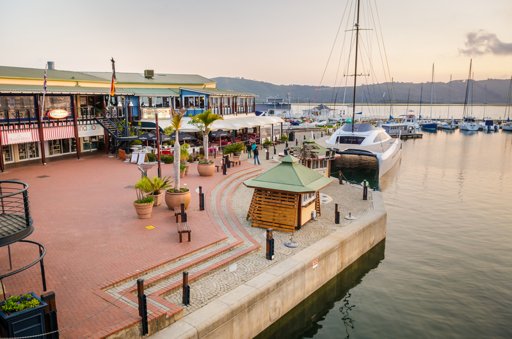
Land in Cape Town and give yourselves a gentle first day. International flights are long, and immediately setting off on an ambitious drive can make a honeymoon feel like work. Stay in a neighborhood that suits your pace: the V&A Waterfront is convenient and polished, Gardens puts restaurants and museums close by, while Camps Bay offers ocean views and a more resort-like mood.
On day two, take the cableway up Table Mountain if conditions are clear. The weather can change quickly, so treat this as a flexible plan rather than a fixed appointment. From the top, the shape of the Cape Peninsula makes sense at once: city bowl, Atlantic beaches, rugged mountains, and the distant curve of the coast.
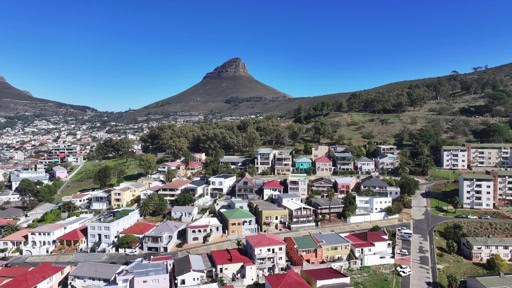
Spend the afternoon in Bo-Kaap, where brightly painted homes and Cape Malay heritage have helped shape Cape Town’s food and identity. This is not simply a backdrop for photographs. Join a respectful cooking experience or eat at a locally rooted restaurant to learn how Malay, African, Dutch, and Indian influences meet in the city’s cuisine.
Reserve day three for the Cape Peninsula. A private guide can add context and reduce the stress of unfamiliar driving, though confident drivers can rent a car and set their own pace. Travel through Hout Bay and Chapman’s Peak Drive, stop at Cape Point, and see the African penguins at Boulders Beach. Keep a little distance from the penguins, however charming they look. They are wild animals, and the colony needs space.
For your final Cape Town day, choose the experience that sounds most like the two of you. Browse galleries and design shops around Woodstock, walk the cliff paths above the Atlantic at Sea Point, take a marine wildlife cruise, or spend a slow afternoon on Clifton’s beaches. Cape Town rewards curiosity, but it also rewards leaving a few hours unscheduled.
Days 5-6: Cape Winelands – slow lunches and small-town character
Drive about an hour inland to the Cape Winelands, where mountains frame vineyards, Cape Dutch architecture, and some of the country’s most memorable restaurants. Franschhoek is romantic and compact, with a strong culinary focus. Stellenbosch has more energy, history, and a wider choice of tasting rooms. For a quieter stay, consider the village of Paarl or a farm lodge outside either town.
Do not try to visit six estates in one afternoon. Two thoughtful tastings, a cellar tour, and a lingering lunch will feel far more special. Look for estates that feature locally sourced menus, seasonal produce, or South African varietals such as Pinotage and Chenin Blanc alongside familiar classics. If both partners want to taste freely, arrange a driver rather than relying on the wine tram or driving yourselves.
Use the second day for a couples spa treatment, a vineyard walk, or a relaxed cycle through the valley. The Winelands are especially appealing after busy Cape Town because they invite you to slow down. A good lodge is worth the splurge here: a private terrace, fireplace, or views over the vines can turn one ordinary evening into a honeymoon memory.
Days 7-8: The Garden Route or a direct safari flight
Here is the most important choice in this South Africa honeymoon itinerary: add the Garden Route for ocean scenery and road-trip atmosphere, or fly directly to safari for more time in the bush.
Couples with 12 days who love driving should head toward Hermanus, De Hoop Nature Reserve, Knysna, or Plettenberg Bay. The route offers dramatic beaches, indigenous forests, coastal trails, and small towns. From roughly June through November, Hermanus is one of the best places to look for southern right whales from shore. Outside whale season, it is still a beautiful base for sea views and excellent food.
For this itinerary, spend two nights near Plettenberg Bay or Knysna. Walk Robberg Nature Reserve if weather permits, book a sunset picnic, and seek out a restaurant that highlights local seafood. Keep expectations realistic: the Garden Route is scenic, but it involves driving, changing hotels, and occasional rain. It suits active couples more than those who want a completely effortless luxury escape.
If safari is the priority, skip this section and take an internal flight from Cape Town to Johannesburg or Nelspruit. Add those two nights to your reserve stay instead. There is no wrong choice, only a question of whether you want more coastline or more time tracking wildlife.
Days 9-12: Safari – the stillness between sightings
Fly to the Greater Kruger area for the final chapter of your honeymoon. Private reserves bordering Kruger National Park, such as those in Sabi Sand, Timbavati, or Klaserie, are often the best fit for couples seeking highly guided game drives, intimate lodges, and the chance to go off-road at appropriate sightings. Kruger’s public rest camps can be more budget-friendly and adventurous, but they demand more self-driving and planning.
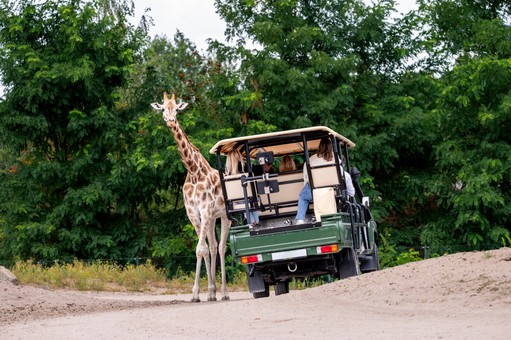
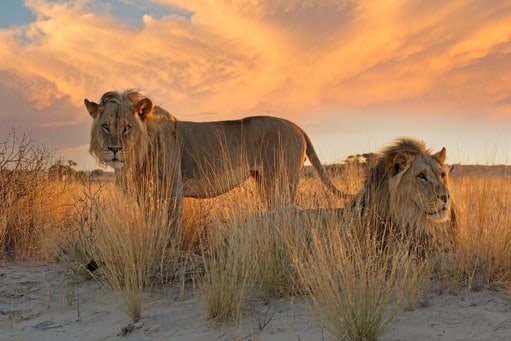
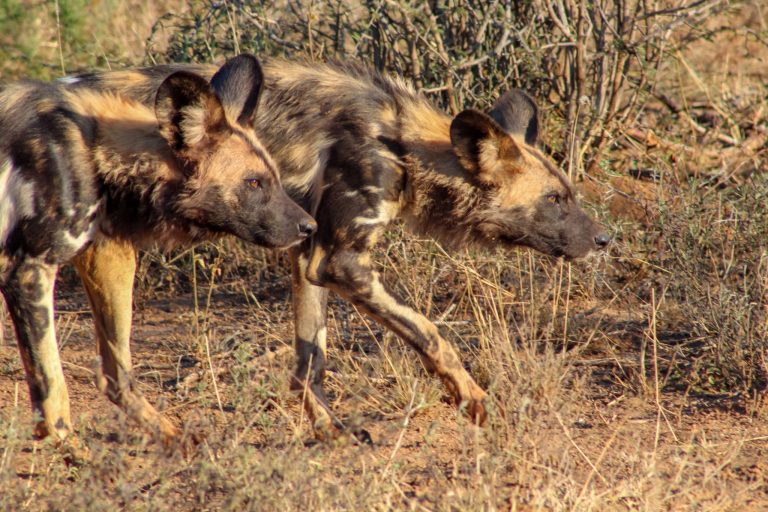
Most safari lodges include two game drives each day, usually at dawn and late afternoon. The rhythm is part of the magic: coffee before sunrise, cool air on the vehicle, elephant tracks in the dust, a midday pause at the lodge, then a sunset drive that may end with drinks in the bush. Do not judge a safari only by whether you see the Big Five. Watching a leopard disappear into thick grass or hearing hyenas call after dark can be just as lasting.
Choose a lodge based on its guiding standards, conservation approach, room layout, and atmosphere, not only its social media images. Some properties are sociable, with shared dinners and lively lounges. Others are quiet, deeply private, and designed around couples. Tell your lodge in advance that you are honeymooning. They may be able to arrange a private meal, a sleep-out deck, or a special bush breakfast, depending on the reserve and season.
Many safari areas in the northeast are malaria-risk zones. Speak with a travel health professional before departure about prevention that suits your medical needs, and use repellent and long sleeves around dawn and dusk. This is a manageable planning detail, not a reason to avoid an extraordinary part of the country.
When to Take Your South Africa Honeymoon
South Africa is a year-round destination, but the best timing depends on the experiences you value most. November through March brings warm Cape Town weather, vibrant Winelands days, and beach-friendly conditions, though this is also the busiest period and accommodation prices rise around Christmas and New Year.
May through September is cooler in the Cape, with rain more likely around Cape Town, but it is prime safari season in the Greater Kruger. Vegetation is thinner, wildlife tends to gather around water, and daytime temperatures are often pleasant. September and October offer a particularly balanced option: spring color in the Cape, good wildlife viewing, and fewer peak-season crowds than high summer.
Practical Planning Notes for Couples
Book long-haul flights, sought-after safari lodges, and special Winelands restaurants well ahead if traveling in peak months. Domestic flights can be efficient, but leave comfortable connection time in Johannesburg, especially when traveling onward to a safari airstrip.
A rental car is useful around Cape Town and the Winelands, where stopping at viewpoints and smaller towns is part of the pleasure. Avoid driving after dark outside major urban areas, keep valuables out of sight, and ask your accommodation for the most suitable routes. In cities, use the same thoughtful awareness you would in any major destination: choose well-reviewed transportation, stay alert in unfamiliar areas, and take local advice seriously.
South Africa is also a country of many languages, communities, and histories. Make room for experiences led by people who live there, whether that means a neighborhood food tour, a guide from the Cape Peninsula, or a safari ranger who can read the landscape with remarkable skill. Those conversations often become the stories you tell long after the photographs are filed away.
Leave one evening open at the end of your trip. Order something local, sit beneath the southern sky, and let the trip settle in before the journey home begins.