How to Choose Safari Destination Right
A safari can look wildly different depending on where you go. One trip might mean tracking mountain gorillas through Rwanda’s misty slopes. Another could be sunrise game drives across the Serengeti, or a self-drive journey through Namibia’s desert landscapes where wildlife appears against red earth and open sky. That is why knowing how to choose safari destination matters so much – the right match shapes everything from the animals you see to the pace of your days and the kind of connection you build with the place.
I spent three weeks staring at safari options online before my first trip. Should I go to Kenya, Tanzania, South Africa or Botswana? Is it better in the dry season or green season? Every information or guide out there made it sound like one wrong choice would ruin everything.
It won’t.
Since then, I’ve been on four safaris across three African countries. Some were planned six months in advance. There was one I booked ten days before leaving. Each one delivered but some delivered more than others. The difference came down to a few clear decisions.
For many travelers, the first mistake is choosing a country before choosing the experience. Safari is not one single type of trip. It can be luxurious or rugged, photography-focused or family-friendly, deeply wildlife-driven or balanced with culture, scenery, and slower travel. If you start with the experience you want, the destination becomes much easier to narrow down.
Most travelers start by asking “Which country is best?” That is the wrong question. The right question is “What do I actually want to see and do?”
Kenya is not better than South Africa and Tanzania is not worse than Botswana. They do different things well. You need to match your expectations to the place, not the other way around.
How to choose safari destination based on your travel style
Start with the question most people skip: what kind of traveler are you when you are at your best? Some travelers want classic big game viewing with excellent infrastructure and a smooth first safari. Others want fewer crowds, dramatic scenery, or a trip that combines wildlife with culture and road travel.
If this is your first safari and you want something iconic and relatively easy to plan, South Africa, Kenya, and Tanzania usually rise to the top. These countries have strong safari circuits, a wide range of lodges, and well-developed tourism services. They also give you very different feels. South Africa is often the easiest for travelers who want comfort, flexibility, and good value across different budget levels. Kenya delivers classic savannah safari with strong guiding culture and famous reserves. Tanzania feels expansive and cinematic, especially if the Great Migration is part of your dream.
If you want a safari that feels more remote, Namibia and Botswana often make more sense. Namibia stands out for self-drive adventures, desert scenery, and a sense of space that feels almost meditative. Botswana is exceptional for low-volume, high-quality safari experiences, especially in areas like the Okavango Delta, but it often comes with a higher price point.
If your idea of safari includes primates and forest experiences, Rwanda and Uganda belong in a different category altogether. Gorilla trekking is not a substitute for game drives – it is a distinct wildlife experience, more physically demanding, more emotional for many travelers, and usually more expensive per encounter.
Decide what wildlife matters most
A practical way to approach how to choose safari destination is to get honest about your wildlife priorities. Saying you want to see “everything” is understandable, but it rarely helps with planning. Most destinations have strengths.
For the Big Five and classic game viewing, South Africa is a strong all-around choice. Kruger and private reserves offer reliable sightings and a broad range of accommodation. Kenya and Tanzania are especially strong if you want large herds, predator action, and those wide-open plains many travelers associate with an African safari.
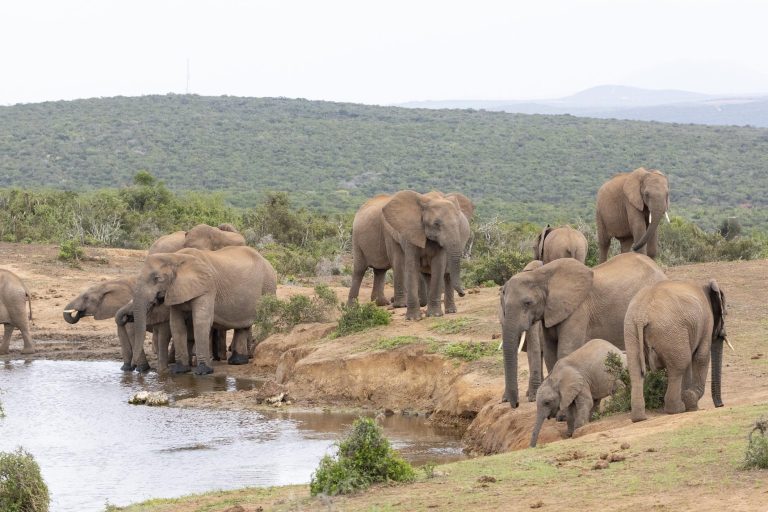
For elephants, Botswana is hard to ignore, and parts of Zimbabwe also deserve attention. For desert-adapted wildlife and striking visual contrasts, Namibia is in a category of its own. For gorillas, Rwanda and Uganda are the clear conversation. If birdlife matters as much as mammals, wetlands and river systems in countries like Botswana, Zambia, and Uganda can be especially rewarding.
There is always a trade-off. The destinations with the most famous wildlife spectacles can also bring higher prices and more visitors in peak season. Less obvious destinations may offer a more intimate feeling, but they might not deliver the nonstop game density some travelers expect.
Match the destination to your budget, honestly
Safari pricing can surprise even experienced travelers. It is not just about the lodge rate. Internal flights, park fees, transfers, guide costs, conservation levies, and seasonal pricing all add up quickly.
South Africa is often one of the most accessible safari options for travelers watching costs while still wanting quality. You can mix self-drive sections, city stays, and safari lodges more easily than in many other countries. Namibia can also work well for independent travelers comfortable behind the wheel, especially if scenery is part of the appeal.
Kenya and Tanzania span a wide budget range, but once you add flights between parks or premium migration camps, costs can rise fast. Botswana and Rwanda tend to sit at the higher end, though for very different reasons. Botswana focuses heavily on exclusive, conservation-led tourism. Rwanda’s gorilla permits make it a premium wildlife experience before lodging is even factored in.
A cheaper safari is not automatically better value, and an expensive one is not automatically better. Value comes from fit. If you care most about seeing varied wildlife over several days, a well-planned South Africa or Kenya trip may serve you better than spending most of your budget on one high-cost signature experience.
Season matters more than many travelers expect
The same destination can feel like two different trips depending on when you go. Dry season usually makes wildlife easier to spot because animals gather near water and vegetation is thinner. That is why many first-time safari travelers aim for the dry months.
But green season has real advantages. Landscapes are lush, birding can be superb, crowds may be lower, and rates can soften. Photography also changes – the light, skies, and dramatic cloud buildup can be stunning. The trade-off is that wildlife can be more dispersed, and some roads or remote camps may be harder to access.
This is where your priorities matter. If seeing as much wildlife as possible is the goal, dry season often makes sense. If you care about atmosphere, scenery, and value, shoulder or green season can be smarter. Tanzania’s migration calendar adds another layer, because where the herds are at a given time changes what part of the country makes the most sense.
Think beyond game drives
One of the best ways to choose well is to ask what you want your days to feel like, not just what you want to see. Some safari destinations are strongest when paired with other experiences.
South Africa is ideal if you want to combine safari with wine country, the coast, or city time in Cape Town. Kenya can blend wildlife with beach time on the Indian Ocean and meaningful cultural encounters in different regions. Tanzania pairs naturally with Zanzibar if you want bush and beach in one trip. Namibia is excellent for travelers who love road journeys, geology, desert landscapes, and a feeling of adventure beyond traditional game viewing.
Rwanda offers a compact, polished travel experience where gorilla trekking can be combined with Kigali’s cultural depth and other forest or savannah parks. That can appeal to travelers who want something focused and emotionally memorable rather than a long circuit of multiple reserves.
How to choose safari destination if you hate crowds
Not every traveler wants the most famous park on the map. If your ideal safari includes quiet moments, fewer vehicles, and a stronger sense of solitude, destination choice becomes even more important.
Botswana is often a strong answer because its tourism model limits volume in many areas. Namibia also feels spacious in a way that is hard to replicate elsewhere. Even in popular countries like Kenya, Tanzania, and South Africa, the right reserve or private concession can make a major difference.
This is where broad country advice only goes so far. A crowded safari and a peaceful safari can happen in the same country depending on where you stay, when you go, and whether you choose national parks or private reserves. The destination matters, but the finer details matter too.
Consider logistics and comfort level
Some safaris are easier than others. If you want minimal transfers, polished infrastructure, and a lower planning barrier, South Africa and Rwanda are often appealing. If you are comfortable with longer travel days, light aircraft transfers, or rougher roads in exchange for a wilder feel, countries like Botswana, Tanzania, or Uganda may suit you well.
Families, older travelers, and anyone with limited time should take this seriously. A trip that looks amazing on paper can become tiring if every few days involve repacking, long drives, or complicated connections. On the other hand, travelers who enjoy the journey itself may find those moving parts part of the adventure.
At Damtos Adventure, we often find that the best safari choices happen when travelers stop chasing the “best country” and start building the right trip for their energy, interests, and expectations.
The best safari destination is the one that fits your version of Africa
There is no single winner here. Kenya and Tanzania deliver legendary safari imagery. South Africa gives many travelers the smoothest all-around first experience. Namibia offers beauty and independence. Botswana feels exclusive and deeply wild. Rwanda and Uganda create unforgettable primate encounters.
The smartest way forward is simple: choose the experience first, then the country. Decide what wildlife matters most, how much you want to spend, how comfortable you want the logistics to feel, and whether you want your safari paired with culture, beaches, road travel, or time in one extraordinary ecosystem. When those pieces line up, the destination stops being a guess and starts feeling personal.
Africa rewards travelers who choose with intention. Do that, and your safari will feel less like a checklist and more like the kind of journey you will still be talking about years from now.