Do You Need a Safari Guide? When to Hire One
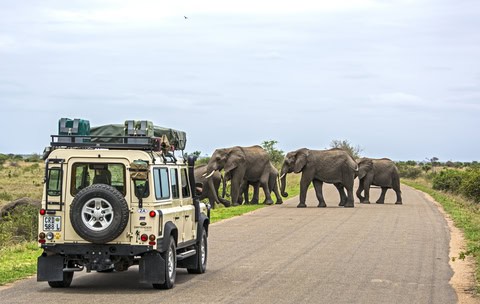
The first time an elephant steps quietly from the mopane trees, the question of do you need a safari guide becomes less theoretical. A good guide does not just point and say, “Elephant.” They read the animal’s posture, notice the calf tucked behind her, position the vehicle respectfully, and explain why the herd is moving before the heat builds. But that does not mean every safari traveler must hire one.
Whether you need a guide depends on your destination, travel style, confidence behind the wheel, and what you hope to take home from the experience. A self-drive day in South Africa’s Kruger National Park can be thrilling and accessible. Tracking chimpanzees in Rwanda’s Nyungwe Forest or moving through Namibia’s remote desert parks without local support is a different kind of decision.
When a Safari Guide Is Worth It
A safari guide is most valuable when you want more than a wildlife checklist. Guides bring field knowledge built through repetition: where a leopard has been seen over recent days, how to interpret alarm calls, when to wait quietly, and when an encounter is likely to change. Wildlife does not perform on schedule, and the difference between a fleeting glimpse and a meaningful sighting is often patience and positioning.
They also handle the practical work that can distract from the experience. In many safari areas, this means navigating rough tracks, understanding park rules, communicating with lodges and rangers, managing entry times, and making smart decisions when weather or road conditions shift. In private reserves, guides may be permitted to use tracks or routes unavailable to self-drivers, which can make a real difference for close but ethical wildlife viewing.
For first-time safari travelers, this support removes a layer of uncertainty. You can watch the bush instead of checking a map, wondering whether a dark shape is a stump or a buffalo, or worrying about being back at the gate before closing time.
Wildlife knowledge changes what you see
Many of the most memorable safari moments are not the obvious ones. A guide may stop for fresh lion tracks in the sand, identify a distant raptor by its flight pattern, or explain why a dung beetle is rolling its prize across the road. These smaller stories give the landscape texture.
Local guides can also add perspective on conservation. They may explain how community conservancies create income from wildlife, why certain species are monitored, or how drought changes animal movements. That context matters, particularly in destinations where tourism, land use, and local livelihoods are closely connected.
Cultural context deserves the same care
Safari travel is not only about animals. In places such as Namibia, South Africa, Rwanda, and The Gambia, the journey can include living cultures, local food, crafts, music, and community-led experiences. A knowledgeable local guide can help create respectful encounters rather than rushed stops designed for a camera.
The best guides are not there to speak for every community. They help you understand local etiquette, ask better questions, and recognize when an experience should be approached with humility. If cultural connection is central to your trip, guided travel is often the stronger choice.
When You Can Enjoy a Safari Without a Guide
Self-drive safaris work particularly well in parks with good roads, clear signage, reliable facilities, and a straightforward reservation system. South Africa is the classic example. Kruger National Park, Addo Elephant National Park, and several smaller reserves make it possible to rent a car, stay in a rest camp or nearby lodge, and set your own pace.
There is a particular pleasure in this style of travel. You choose when to leave, how long to wait at a waterhole, and whether an afternoon is better spent looking for lions or sitting still with coffee as impala move through camp. For couples, families, and repeat safari travelers, that flexibility can be a major part of the appeal.
A guide is not automatically better simply because it is guided. If you enjoy planning routes, driving long distances, and observing wildlife quietly, self-driving can feel deeply personal. The trade-off is that you must take responsibility for the details.
Self-drive works best if you are prepared
You do not need to be a wildlife expert, but you should be comfortable with a few realities. Park gates close at fixed times. Animals may be far away or hidden in dense brush. Roads can be dusty, corrugated, or affected by rain. A flat tire or missed turn is less stressful when you have time, water, fuel, and a working phone or offline map.
It also helps to set realistic expectations. A guided vehicle may find a leopard because guides share sightings through radio networks. On a self-drive safari, you might spend an hour without seeing a large predator. Yet that same hour can reveal giraffes feeding, hornbills calling overhead, and the slow rhythm of the bush. Safari is richer when it is not reduced to the Big Five.
Do You Need a Safari Guide in Each Destination?
The answer changes from country to country.
In South Africa, self-drive is a strong option in established national parks, especially for travelers on a tighter budget. Consider adding a guided sunrise, sunset, or night drive if the park offers it. This gives you expert interpretation without giving up the freedom of having your own vehicle.
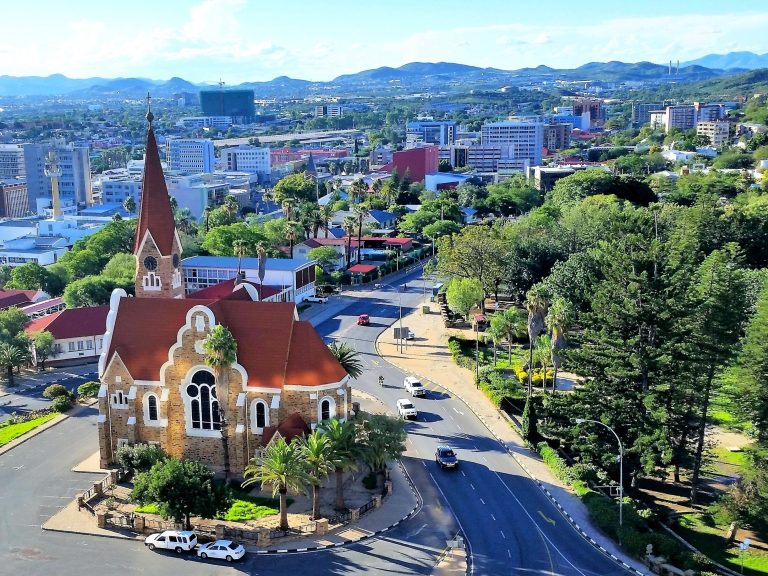
In Namibia, a guided trip is helpful for first-time visitors tackling long distances, remote roads, or a route through places such as Damaraland, Kaokoland, or the Skeleton Coast. Experienced travelers can self-drive popular circuits, but vehicle preparation and route planning matter greatly. Distances are larger than they appear on a map.
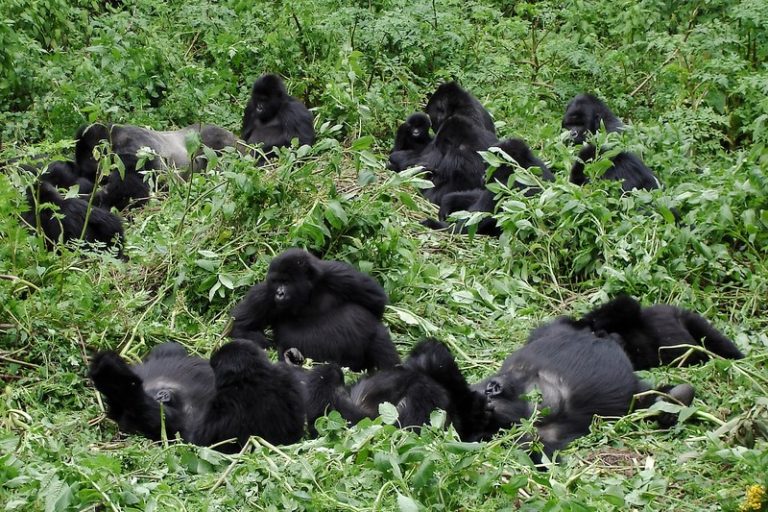
In Rwanda, specialist guiding is usually the sensible route for gorilla and chimpanzee trekking. Official rangers lead the trek itself, and a local driver-guide can make transfers, permits, and timing much easier. The country is compact, but its hills, weather, and tightly timed activities reward organized planning.
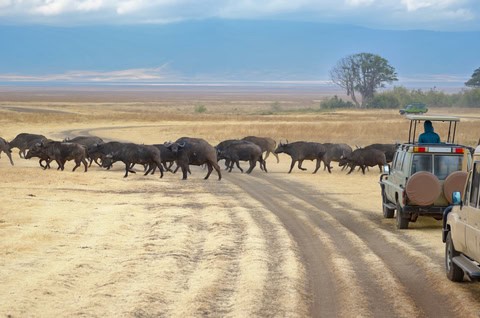
In Botswana, Zambia, Tanzania, and Kenya, a guide is often built into the classic camp-based safari experience. These destinations are ideal for travelers who want expert-led game drives, walking safaris, or fly-in itineraries. Independent travel is possible in parts of each country, but it generally requires more experience and logistical confidence.
A Smart Middle Ground: Combine Guided and Independent Days
You do not have to choose one style for an entire trip. One of the best ways to travel deeper is to mix both.
Spend your first two or three game drives with a guide. You will learn how animals use the landscape, become more familiar with safari etiquette, and get a sense of what to look and listen for. Then take a self-drive day or a relaxed afternoon in an accessible park, using that new confidence to set your own pace.
This approach also helps with budget. Private guided safaris can be a meaningful investment, especially in peak season. A mix of national park accommodation, self-driving, and a few high-quality guided experiences can deliver variety without making every day expensive.
How to Choose the Right Safari Guide
The title “guide” can mean different things: a lodge-based field guide, a private driver-guide, a walking safari guide, or a community host. Ask what is included before booking. Does the price cover park fees, meals, vehicle use, and accommodation? How many hours are spent on game drives? Is the guide trained for walking activities, and what language do they speak?
Look for someone who respects wildlife distance and does not promise sightings. No ethical guide can guarantee a leopard, a river crossing, or a close encounter. The strongest guides are observant, calm, curious, and honest when nature does not follow the plan.
For a private guide, consider the rhythm you want. Some travelers love dawn starts and full days in the field. Others prefer a slower itinerary with time for villages, local markets, photography, or rest. A good guide adapts the trip to your interests while being clear about what is realistic.
Let Your Safari Style Lead
Hire a guide when you want local insight, easier logistics, specialist wildlife knowledge, or reassurance in unfamiliar terrain. Choose self-drive when you value independence and are traveling in a park designed to support it. Neither choice is more authentic by default. What matters is whether it lets you be present, respectful, and genuinely curious.
The bush rewards attention. Give yourself enough time to stop, listen, and let the place reveal more than the animals you came hoping to see.