Namibia Travel for a Road Trip Worth Taking
The first time you watch the sun rise over Sossusvlei’s dunes, the scale of Namibia becomes clear. Sand shifts from violet to copper, the air is startlingly still, and the road that brought you there feels like part of the experience. Namibia travel is not about rushing between landmarks. It is about making room for distance, silence, wildlife, and the people who give each region its character.
For travelers drawn to safari, desert landscapes, and journeys that feel genuinely different from everyday life, Namibia rewards thoughtful planning. It is one of Africa’s best self-drive destinations, but its beauty comes with practical realities: long distances, gravel roads, limited fuel stops, and accommodation that can book far ahead. Plan well and you will have space to travel deeper rather than simply cover ground.
Why Namibia Feels Different
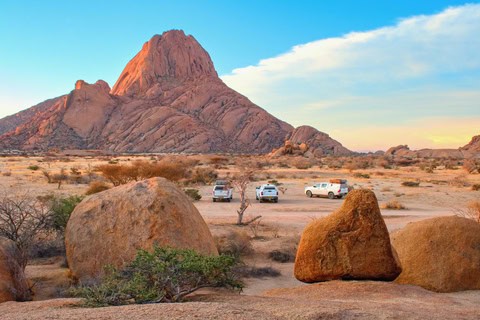
Namibia is often described through its landscapes, and rightly so. The Namib Desert is among the oldest deserts on Earth. Skeleton Coast fog rolls inland over shipwreck-strewn shores. Etosha’s white salt pan seems to go on forever, while the rock formations of Damaraland hold traces of ancient life and desert-adapted wildlife.
Yet the country’s appeal is not only visual. Namibia is home to diverse communities, including Ovambo, Herero, Himba, Damara, Nama, San, and Afrikaner communities, each with distinct histories, languages, and living traditions. A meaningful trip makes room for those stories. Cultural visits are best arranged with local guides or community-based operators who can provide context, ensure fair participation, and help you engage respectfully rather than treating people as scenery.
The country also offers a rare sense of freedom. Outside Windhoek and a few larger towns, you can drive for long stretches with almost no traffic. That solitude is powerful, especially for travelers used to crowded parks and tightly scheduled tours. The trade-off is that Namibia asks you to be self-reliant. A flexible attitude, a full water bottle, and a realistic itinerary matter here.
Namibia Travel: Choose the Right Season
Namibia is a year-round destination, but the best time depends on what you want from the journey.
From May through October, dry winter weather brings sunny days, cool nights, and excellent wildlife viewing. In Etosha National Park, animals gather around waterholes as natural water sources diminish. This is the strongest period for a first safari-focused visit, though popular lodges and camps can fill many months ahead. June through August can be particularly cold before sunrise, especially in desert areas, so pack layers rather than assuming Africa always means heat.
November through April is warmer and brings the chance of rain, usually in short, dramatic bursts. The landscapes can look greener, birdlife is abundant, and some properties offer better value outside peak season. Wildlife is more dispersed, however, and summer heat can make midday drives tiring. If photography, birding, or fewer visitors matter more than concentrated game viewing, the green season can be an excellent choice.
For most travelers, May, June, September, and October strike a useful balance: comfortable conditions, strong wildlife viewing, and slightly less pressure than the busiest midwinter weeks.
Build a Route That Respects the Distances
Namibia looks manageable on a map until you begin calculating drive times. Gravel roads can be safe and beautiful, but they require lower speeds and steady concentration. A route that seems like a four-hour drive may take six hours once you add fuel stops, photography breaks, and wildlife on the road.
For a first trip of 10 to 14 days, a classic circuit begins in Windhoek, then travels south or west toward the Namib-Naukluft region and Sossusvlei. From there, continue to the cool Atlantic town of Swakopmund, then north through Damaraland before finishing with safari days in Etosha National Park. Return to Windhoek by road or consider a domestic flight if your schedule is tight.
Sossusvlei deserves at least two nights. An early start is essential for climbing Big Daddy dune or walking into Deadvlei before the heat intensifies. Staying inside or close to the park gates gives you a major advantage, because you can reach the dunes near sunrise when the light is at its best.
Swakopmund offers a useful change of pace after the desert. Its German colonial-era architecture, cool fog, cafés, and oceanfront setting feel strikingly different from the interior. It is also a base for desert activities such as guided drives through the coastal dunes, kayaking with seals near Walvis Bay, or simply taking a slower day between long road segments.
Damaraland is where many travelers realize that Namibia’s landscapes are more varied than they expected. This is a region for open plains, granite hills, ancient rock art, and patient wildlife watching. A guided search for desert-adapted elephants can be memorable, but sightings are never guaranteed. That uncertainty is part of the point: these animals move across vast, unfenced terrain, and responsible viewing means allowing them space.
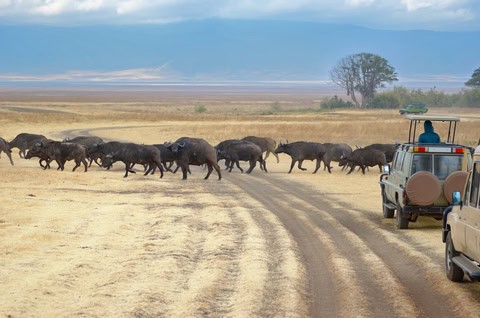
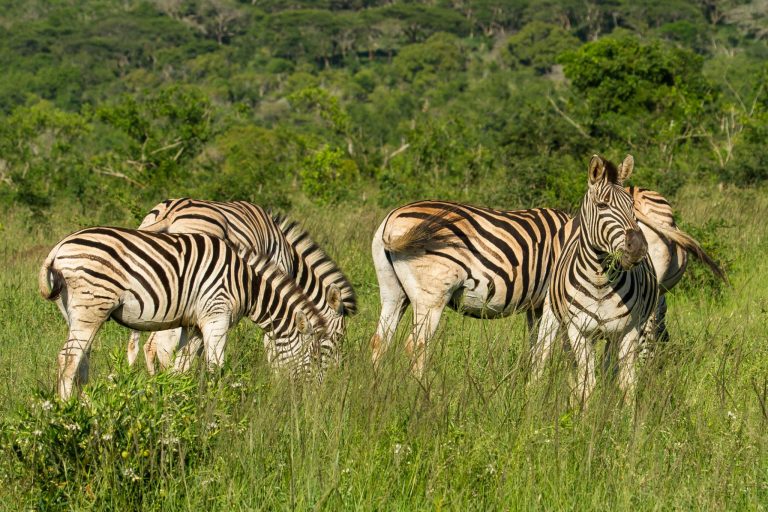
Etosha is the fitting final act. Its waterholes create some of southern Africa’s most absorbing wildlife encounters, especially in the dry season. Stay two or three nights in different areas of the park if possible. Early mornings and late afternoons are best for game drives, while a waterhole near camp can turn an ordinary evening into a front-row wildlife experience.
Self-Drive or Guided Trip?
A self-drive trip is ideal for confident travelers who enjoy independence and do not mind navigating long distances. Rent a reliable high-clearance vehicle, understand how to change a tire, and avoid driving after dark. Livestock and wildlife can cross roads unexpectedly, while gravel surfaces demand slower, smoother handling than many visitors expect.
A guided journey makes more sense if you want expert wildlife interpretation, prefer not to drive, or have limited time. It can also provide valuable cultural context in regions where a local guide’s knowledge changes what you see and understand. Private guided trips cost more, but small-group departures and tailor-made routes can be good options for couples, solo travelers, and families who want logistical support without sacrificing a sense of adventure.
There is also a middle ground: self-drive between lodges, then book local guides for specific activities. This approach keeps the freedom of the open road while bringing in expertise where it matters most.
Plan for Comfort, Not Just the Lowest Price
Namibia can be done on different budgets, from campsites and simple guesthouses to remote luxury lodges. The lowest daily rate is not always the best value if it leads to rushed drives or accommodation far from park entrances. In a country this large, location can be worth paying for.
Book key overnight stops early, particularly around Sossusvlei, Damaraland, and Etosha during the dry season. Keep a close eye on fuel, carry more drinking water than you think you will need, and download offline maps before leaving larger towns. Mobile coverage can be inconsistent outside populated areas.
A few practical items make a real difference: sun protection, a headlamp, a reusable water bottle, a basic first-aid kit, and warm layers for winter mornings. Bring binoculars if wildlife is a priority. Lodge binoculars may be available, but having your own means you never miss the leopard on a distant branch or the elephants crossing a dry riverbed.
Travel With Cultural Awareness
Namibia’s cultural experiences are most rewarding when approached with curiosity and restraint. Ask before photographing people, listen more than you speak, and avoid visits that feel staged or rushed. A good guide will explain local customs, the community’s role in the experience, and how tourism income is shared.
Spend time in Windhoek beyond the airport if your itinerary allows. The capital offers a useful introduction to modern Namibia, shaped by German colonial history, independence, and a diverse urban population. Local food, craft markets, museums, and guided city experiences can add context before you head into the country’s vast open spaces.
Namibia does not need to be conquered in one trip. Let the route breathe. Leave a morning unplanned in Swakopmund, stay for the sunset at a quiet waterhole, or choose one community-led experience over another long drive. The moments you remember most may be the ones that never appeared on your original itinerary.