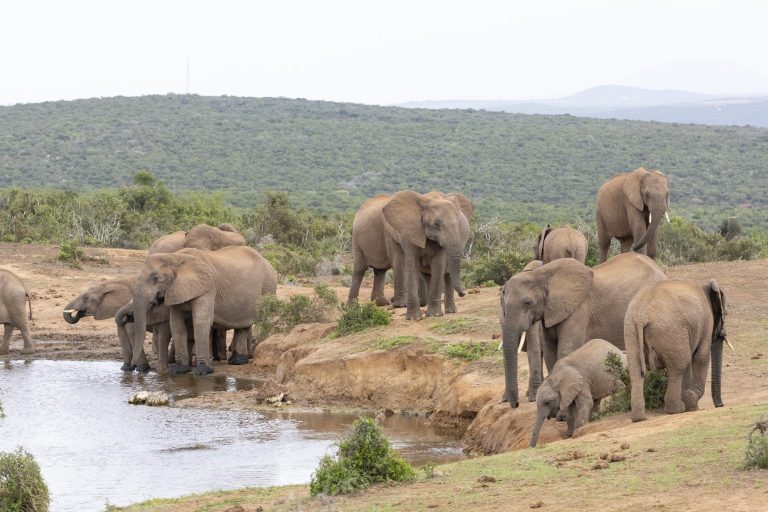
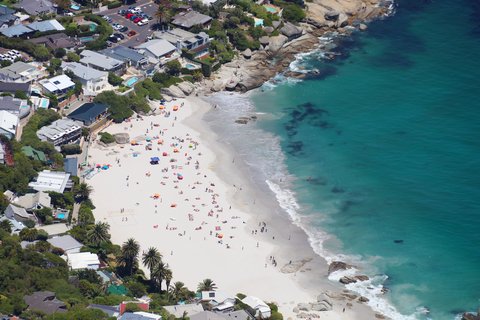
South Africa Safari Versus Beach: Which Trip?
At sunrise in Kruger, the grass may still be silver with dew as an elephant family crosses the road ahead of your vehicle. A few days later, you could be watching surfers cut across Indian Ocean waves or walking an empty stretch of sand where dunes meet the Atlantic. The South Africa safari versus beach decision is not really about which experience is better. It is about what you want your trip to ask of you – early mornings and patient observation, or open days shaped by tides, coastal drives, and a slower rhythm.
South Africa is unusually good at offering both. The country has world-class wildlife areas, more than 1,700 miles of coastline, sophisticated cities, small coastal communities, and food traditions shaped by many cultures. Yet safari and beach travel feel very different in practice, especially when it comes to timing, budget, transport, and the kind of memories you take home.
South Africa safari versus beach: the core difference
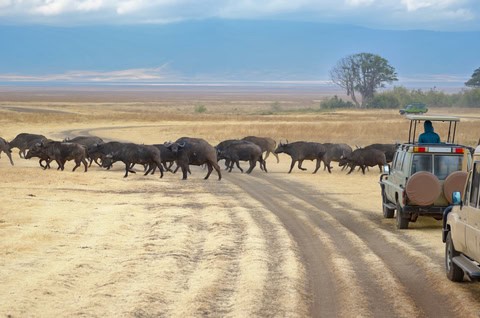
A safari gives your itinerary a natural structure. Most game drives begin around dawn and again in the late afternoon, when wildlife is most active. Between drives, there is time to rest, eat, swim, or simply listen to the sounds around camp. The experience is immersive, but it is not entirely flexible. You are working with animal behavior, reserve rules, and the expertise of your guide.
A beach trip is looser. You can wake late, linger over a seafood lunch, follow a coastal hiking trail, or plan nothing beyond a sunset viewpoint. South Africa’s beaches are not all built for the same kind of vacation, though. The warm Indian Ocean coast around KwaZulu-Natal favors swimming and subtropical scenery, while the Western Cape has dramatic beaches, colder water, and exceptional views. The Garden Route sits between them, offering a compelling mix of beaches, forests, lagoons, and road-trip stops.
Choose safari if wildlife is the reason you are traveling to Africa. Choose the beach if you need space to slow down, love scenic drives, or want your trip to include more independent wandering. For many travelers, the strongest choice is not either-or. It is pairing a focused safari with a coast that suits the season.
Choose safari if you want a deeper wildlife experience
A South African safari is about more than ticking off the Big Five. It is the quiet concentration of tracking a leopard through dense bush, the sharp alarm calls of impala, the way a skilled guide explains why a dung beetle matters as much as a lion sighting. The best days have room for surprise, and no responsible guide can promise a particular animal on command.
Where safari travelers should look
Kruger National Park and the adjoining private reserves are the classic choice for first-time visitors. They offer excellent wildlife density, a wide range of accommodations, and comparatively straightforward access through regional flights or a road journey from Johannesburg. Private reserves such as Sabi Sand tend to deliver more intimate guiding, off-road tracking where permitted, and polished lodge experiences. They also come at a higher price.
For a self-drive safari, Kruger is particularly rewarding. You can set your own pace, stay in rest camps, and spend long stretches watching waterholes. This works well for families and travelers who enjoy independence, although hiring a guide for at least some drives can transform what you notice.
Malaria-free reserves in the Eastern Cape and near the Waterberg are worth considering for families with young children, pregnant travelers, or anyone who prefers not to take antimalarial medication. They may not offer the same vast scale as Kruger, but they can make a short itinerary far easier. Addo Elephant National Park is a strong Eastern Cape option, especially for travelers combining wildlife with the Garden Route.
What safari costs and requires
Safari costs rise quickly because guiding, conservation fees, vehicles, staff, and remote logistics are built into the experience. Budget travelers can keep costs reasonable by self-driving in national parks and staying in rest camps. Midrange lodges often include meals and two daily drives, while premium private lodges can be a significant splurge.
A safari also asks for patience. Drives can be chilly before sunrise, dusty in dry months, and sometimes quiet. That is part of the reality, not a failure of the trip. Travelers who arrive curious about tracks, birds, plants, and smaller creatures usually have a richer experience than those focused only on dramatic predator sightings.
Choose the beach if coast, culture, and freedom matter most
South Africa’s coast is not one uniform beach destination. It is a collection of distinct landscapes, each with its own water temperature, weather patterns, and local character. That variety is a major advantage, but it means choosing the right region matters.
For warm water and a tropical feel
KwaZulu-Natal’s Dolphin Coast and South Coast are the better fit for swimmers, families, and travelers who want warm Indian Ocean water. Durban brings beaches together with Indian South African food culture, lively markets, and an urban energy unlike Cape Town. Farther north, the iSimangaliso Wetland Park area offers coastal wilderness, estuaries, hippos, birdlife, and seasonal turtle encounters. It feels less polished and more remote – ideal for travelers willing to trade convenience for nature.
For scenery, food, and coastal road trips
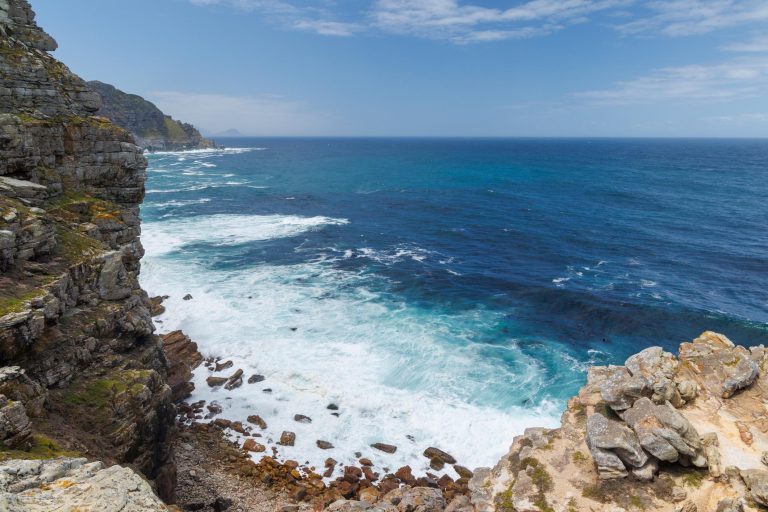
The Western Cape is for travelers who see a beach as part of a bigger landscape. Around Cape Town, Clifton and Camps Bay have mountain backdrops and a social atmosphere, though the Atlantic can be bracing even in summer. Cape Peninsula beaches offer dramatic coves, penguin sightings near Simon’s Town, and memorable drives.
Follow the coast east to the Garden Route for beaches that sit beside indigenous forest, lagoons, and hiking trails. Places such as Wilderness, Knysna, Nature’s Valley, and Plettenberg Bay suit couples, active travelers, and families who want variety without changing hotels every night. This is beach travel with excellent coffee, farm stalls, local art, and plenty of reasons to get off the sand.
A beach-focused trip is generally easier to manage on a modest budget. You can choose guesthouses, apartments, rental cars, and local restaurants rather than an all-inclusive resort model. Still, peak summer rates in Cape Town and popular Garden Route towns can climb sharply, and holiday periods require early booking.
When to go changes the answer
For safari in Kruger, the dry season from roughly May through September is often easiest for wildlife viewing. Vegetation is thinner, animals gather near water, and mosquito activity is generally lower. Days are pleasant, but early drives can be cold. The green summer season, from November through March, brings lush landscapes, newborn animals, migratory birds, and afternoon rain. It can be beautiful, but sightings may require more patience.
For Cape Town and the Western Cape, the warmest, driest beach weather usually falls between November and March. These are lively months, with long evenings and high demand. Winter brings a moodier coast, greener landscapes, whale watching in certain areas, and fewer crowds, but it is not classic sunbathing weather.
KwaZulu-Natal stays warmer year-round, though summer can be hot, humid, and rainy. If you are combining Kruger with the Durban or iSimangaliso coast, the shoulder months of April, May, September, and October can provide a satisfying balance of manageable weather and lighter crowds.
The smartest option: combine safari and beach
If you have 10 days or more, consider giving each experience enough room rather than squeezing both into a rushed week. Three or four nights on safari is usually enough to settle into the rhythm and improve your chances of varied sightings. Follow it with four to six nights on the coast, where you can reset after those early mornings.
The most practical combinations are Johannesburg with Kruger and KwaZulu-Natal, or Cape Town with an Eastern Cape safari and the Garden Route. The first pairing favors classic Big Five viewing and warm-water beach time. The second works beautifully for travelers drawn to food, wine country, scenic drives, and malaria-free reserves.
Avoid assuming that a map makes every combination simple. South Africa is large, and a flight can save a full day of driving. Build in breathing room for arrival days, especially after a long international journey. A well-paced itinerary feels more adventurous than a frantic one.
A few decisions to make before booking
Your travel style should lead the plan. Families may value malaria-free reserves, shorter drives, and beaches with gentle swimming conditions. Couples may prefer a small private reserve followed by a boutique coastal stay. Solo travelers can find excellent guided safari options, then enjoy the independence and restaurant scene of Cape Town or Durban.
Also consider what you mean by beach time. If your ideal day is swimming in warm water, do not book the Cape Town coast expecting Caribbean temperatures. If your ideal is windswept walks, seafood, photography, and mountain views, the Western Cape can be more rewarding than a tropical-style resort beach.
South Africa rewards travelers who let contrast shape the journey. Listen for lions before dawn, then feel sand under your feet at sunset. Give both experiences their proper time, and the country will reveal far more than a single kind of escape.